How to Lower Your Heating Bill in Portland This Winter
Heating bills in Portland can climb fast when the cold, damp winter settles in. If you’re looking for real ways to lower your heating bill in Portland, you’re not alone. The average Portland-area homeowner spends anywhere from $100 to $350 per month on winter heating, depending on the size of the home, insulation, and type of heating system. The good news? Most households can cut those costs by 10%–30% with a combination of smart habits, basic maintenance, and strategic upgrades.
This guide breaks down the most effective steps you can take to lower your heating bill in Portland, whether you own a classic bungalow in Sellwood, a new build in Beaverton, or a mid-century ranch in Vancouver, WA. We'll cover practical tips, potential investments, and what to watch out for—so you can keep your home cozy without breaking the bank.
Key Takeaways
- Sealing air leaks and adding insulation offers some of the fastest paybacks for lowering heating costs in Portland.
- Programmable thermostats and smart heating habits can reduce bills by up to 10–15% without sacrificing comfort.
- Regular furnace and heat pump maintenance improves efficiency and can save $50–$100+ per season.
- Upgrading to high-efficiency heat pumps or ductless mini-splits is a bigger investment but can cut energy use by 25–40%.
- Even small changes—like using heavy curtains or shutting doors—can make a noticeable difference.
- Portland’s climate (cool, rainy, relatively mild) means humidity control and heat loss through windows are major factors.
Understanding Your Heating Bill in Portland
The Cost Breakdown: What You’re Really Paying For
Your heating bill is more than just the cost of fuel or electricity. In Portland, most homes rely on natural gas, electricity (especially for heat pumps and baseboard heaters), or heating oil. The bill reflects not only the raw energy you consume but also how efficiently your system converts that energy into warmth. Poorly maintained systems, leaky ducts, and uninsulated walls can all drive up costs—sometimes by hundreds of dollars per year.
Expect your heating bill to spike in December, January, and February, when temperatures regularly dip into the 30s and 40s. In these months, inefficient systems and drafty homes can see bills double or even triple compared to the shoulder seasons.
Typical Heating Systems in Portland Homes
- Furnaces (Gas or Electric): Common in older Portland homes. Gas furnaces are more economical, but both types lose efficiency if filters are dirty or ducts are leaky.
- Heat Pumps: Increasingly popular in recent decades, especially for newer builds. They’re efficient but can struggle in a deep cold snap unless properly sized.
- Ductless Mini-Splits: Great for retrofits and additions—efficient and easy to control, but initial costs are higher.
- Baseboard and Wall Heaters: Often found in apartments and smaller homes; easy to use, but less efficient than central systems.
Why Heating Bills Spike in Portland Winters
Portland’s winters are rarely frigid, but the dampness makes homes feel colder. Rain and humidity seep into older houses, and single-pane windows (common in Craftsman bungalows and mid-century homes) let precious heat escape. The result? Heaters work overtime, and bills climb. Understanding these local quirks is the first step to bringing costs down.
How to Lower Your Heating Bill: Habits, Maintenance, and Upgrades
Smart Thermostat Settings: Small Tweaks, Big Savings
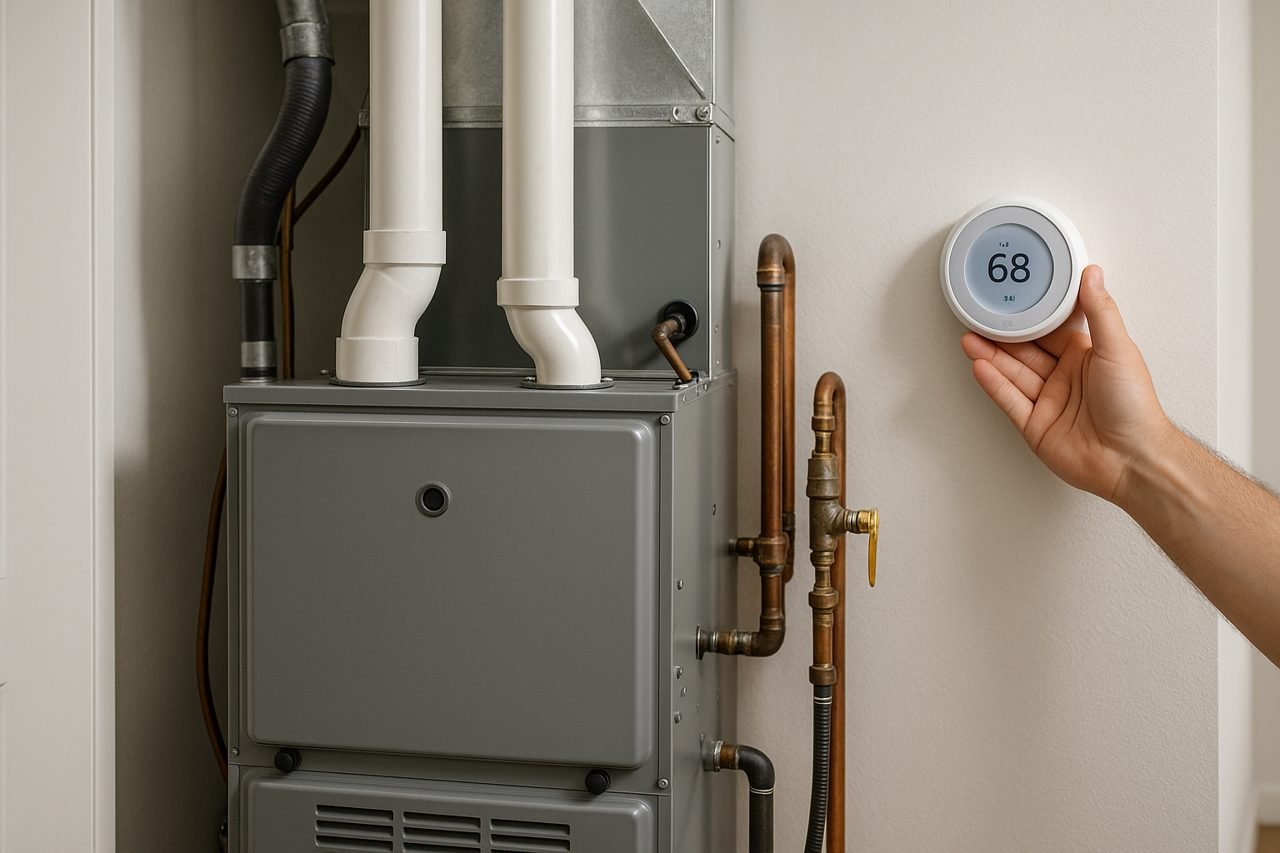
One of the simplest ways to lower your heating bill in Portland is to adjust your thermostat settings. The U.S. Department of Energy recommends setting your thermostat to 68°F while you’re home and awake, and lowering it by 7°–10°F when you’re asleep or away. In practice, many Portlanders keep their homes warmer out of habit, but each degree you lower your thermostat can save about 1–3% on your heating bill.
#### Using Programmable and Smart Thermostats
Programmable thermostats let you “set and forget,” automatically lowering temperatures at night or while you’re at work. Smart thermostats (like Nest or ecobee) take it a step further, learning your patterns and optimizing settings for comfort and savings. In Portland, where energy rates are moderate but not cheap, a smart thermostat can pay for itself in 1–2 winters.
#### Zoning and Room-by-Room Control
If you have a ductless mini-split or a zoned system, use it! Heating only the rooms you use most (like the living room and bedrooms) can cut bills by 10–20%. Close doors to unused spaces and set those thermostats to lower temps.
#### Nighttime and Away-From-Home Strategies
Portland’s nights can get chilly, but piling on blankets and dropping the heat by 7–10°F can lead to significant savings. Likewise, if the house is empty during the day, don’t pay to heat it—program the thermostat to warm up just before you return.
Sealing Air Leaks: The Fastest Way to Stop Wasting Heat
#### Finding the Leaks
Even the best heating system can’t overcome a drafty house. In Portland’s older neighborhoods, gaps around windows, doors, and in attics or basements are common culprits. You might feel drafts, notice cold spots, or see daylight around frames—these are all signs of air leaks.
#### DIY Weatherstripping and Caulking
Weatherstripping doors and windows is a weekend project that pays off fast. A $10 roll of weatherstripping can save $20–$50 per winter. Caulking gaps around window frames, baseboards, and attic hatches keeps warm air in and cold damp out. For older wood windows, add rope caulk or removable window film for an extra layer of protection.
#### Professional Air Sealing
If you’re losing a lot of heat and can’t find the source, consider a professional energy audit. Local contractors use tools like blower doors and infrared cameras to spot hidden leaks—especially valuable in houses with complex layouts or finished basements. The cost (around $200–$400) can be offset by the savings you’ll see over the next few years.
Insulation Upgrades: Portland’s Secret Weapon
#### Where Portland Homes Lose the Most Heat
Attics are the #1 place Portland homes lose heat, since warm air rises. Walls and crawl spaces are next, especially in houses built before the 1980s. Many homes in the area were built with minimal insulation, and some have none at all in key areas.
#### Types of Insulation and Their Costs
- Blown-in Fiberglass or Cellulose: Great for attics and walls; costs around $1.50–$3.00 per square foot installed.
- Spray Foam: Best for tight spaces and older homes with irregular framing; more expensive (around $3–$6 per square foot) but seals air gaps too.
- Rigid Foam Boards: Good for basements and crawl spaces; often used in combination with other types.
Upgrading attic insulation from R-13 to R-38 (the current code minimum) can cut heating bills by 10–20% in Portland’s climate. Many local utility companies offer rebates for insulation projects, reducing out-of-pocket costs.
#### DIY vs. Professional Insulation
You can install batt or blown-in insulation yourself in accessible attics, but walls and crawl spaces are usually best left to pros. A poorly insulated attic hatch or missed gaps can undermine the whole project.
Heating System Maintenance: Tune-Ups Pay Off
#### Why Maintenance Matters
A dirty furnace filter, clogged heat pump coil, or leaky duct can reduce system efficiency by 10–30%. That’s money out the window every month. Regular maintenance keeps your system running smoothly, extends its life, and can prevent expensive breakdowns on a cold January night.
#### What’s Involved in a Tune-Up
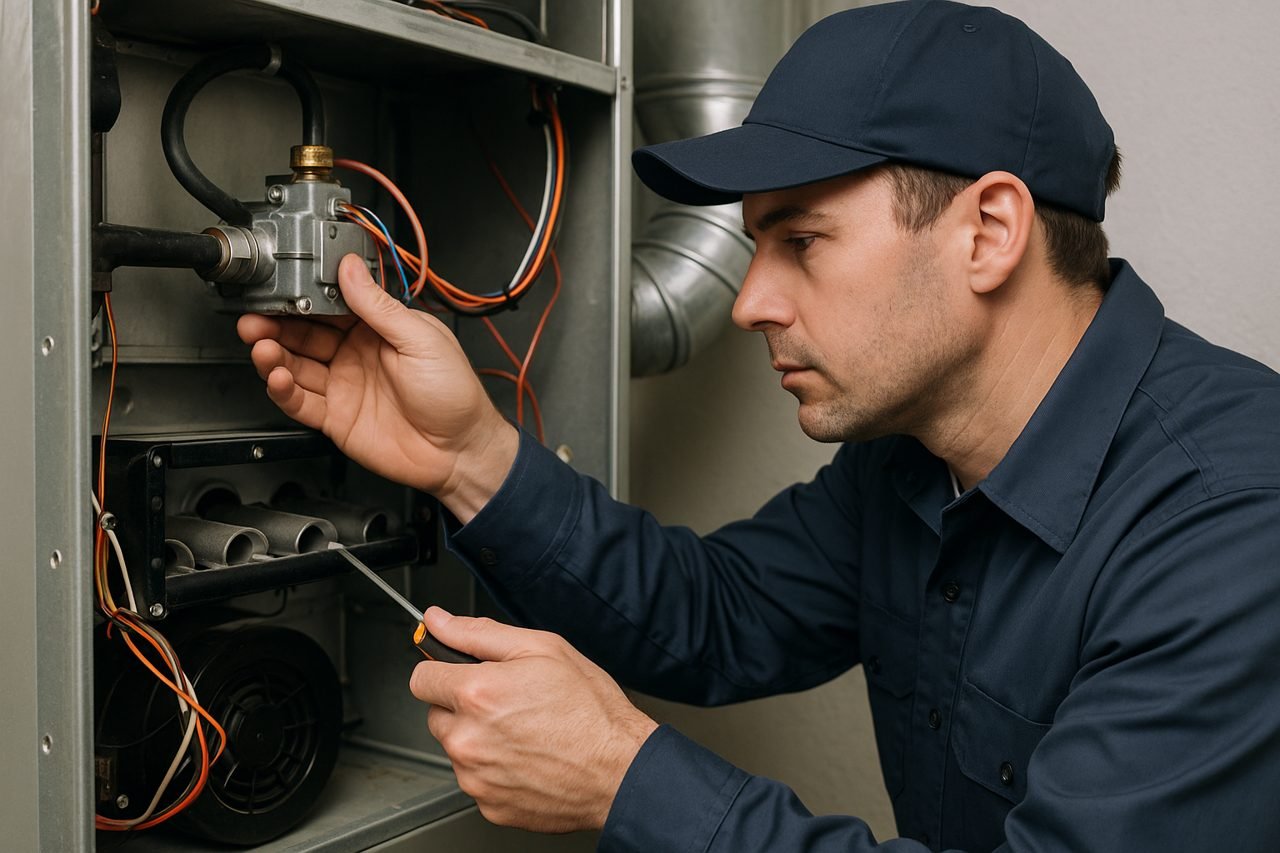
- Furnaces: Inspect burners, check heat exchangers, replace filters, and ensure safe operation.
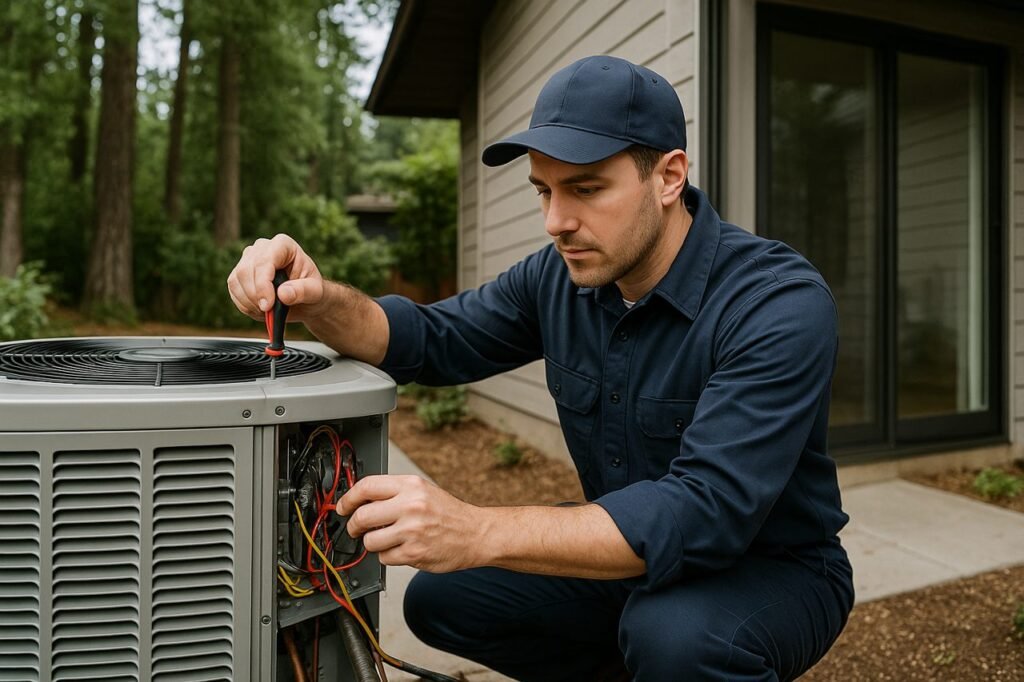
- Heat Pumps/Mini-Splits: Clean coils, check refrigerant, inspect electrical connections, and test controls.
- Ductwork: Seal leaks, check for blockages, and insulate exposed runs in unconditioned spaces.
Most Portland HVAC companies charge around $150–$250 for a full system tune-up. If you haven’t had one in the last year (or ever), it’s worth scheduling before the next cold snap.
#### DIY Maintenance Tips
- Change or clean filters monthly during heating season.
- Keep outdoor heat pump units clear of leaves, snow, and debris.
- Listen for unusual noises or longer-than-normal run times—these can signal problems.
Efficient Heating System Upgrades: When Is It Worth It?
#### Know When to Repair vs. Replace
If your furnace or heat pump is more than 15–20 years old, or you’re facing frequent repairs, it might be time to consider an upgrade. Newer systems are often 20–30% more efficient, especially if you switch from electric resistance heat (like baseboards) to a ductless heat pump.
#### High-Efficiency Options for the Portland Area
- Heat Pumps: Today’s models work well down to 20°F, making them ideal for Portland’s climate. They provide both heating and cooling—a bonus for muggy summer days.
- Ductless Mini-Splits: Perfect for older homes without ductwork, additions, or bonus rooms. They heat efficiently and allow for room-by-room control.
- Condensing Gas Furnaces: If you have natural gas, a 95%+ AFUE furnace can pay for itself in 5–7 years over an older, less-efficient model.
#### Rebates and Incentives
Energize Oregon, Energy Trust of Oregon, and local utility companies often offer rebates for upgrading to efficient heating systems. In 2024, these can range from $200 to $1,500+ depending on what you install and your household income.
Window and Door Strategies: Stopping the Drafts
#### Window Insulation Tricks
Single-pane windows are common in older Portland homes and are a major source of heat loss. You don’t have to replace them to save money:
- Window Film Kits: Clear plastic film applied in fall creates an insulating air barrier. Kits cost $10–$20 per window and can last all winter.
- Thermal Curtains: Heavy, lined curtains trap heat at night and can cut window heat loss by up to 25%. Open them on sunny days to let in free warmth.
- Draft Stoppers: Rolled-up towels or door snakes at the base of exterior doors block cold air.
#### When to Consider New Windows or Doors
If you have rotting frames, broken seals, or windows that won’t close tightly, replacement may be worth the investment. Modern double- or triple-pane windows cost $600–$1,200 each installed but can save $50–$100 per year per window in heating costs, especially when combined with good insulation and air sealing.
#### Temporary vs. Permanent Solutions
If you’re renting or on a tight budget, focus on removable solutions like film, curtains, and draft stoppers. Homeowners planning to stay long-term may want to invest in window upgrades, especially if other weatherization projects are already complete.
Humidity and Comfort: Why Damp Air Matters
#### The Portland Dampness Problem
Portland’s winter air is moist but indoor air can get dry when heating runs constantly. Ironically, dry air feels colder, which tempts you to crank the heat. The right humidity level (around 30–50%) helps you feel warmer and can even reduce static and dry skin.
#### Using Humidifiers and Houseplants
A small humidifier in the bedroom or living area can make a big difference in comfort, letting you lower the thermostat a degree or two. Houseplants like ferns and peace lilies also add humidity naturally.
#### Avoiding Mold and Condensation
Be careful not to over-humidify. Use bathroom fans, fix leaks, and watch for condensation on windows—this can lead to mold, a common problem in Portland homes. A hygrometer (humidity meter) costs about $10 and helps you keep levels in check.
Everyday Habits That Lower Your Heating Bill
#### Dress for the Season Indoors
It sounds simple, but wearing a sweater, slippers, and warm socks can let you drop your thermostat by 2–3 degrees—saving up to 6% on your bill. Keep cozy throws handy in the living room and bedrooms.
#### Close Doors and Vents
Keep doors closed to unused rooms, and if you have vents in unoccupied spaces, close them to focus heat where you need it most. For rooms you use often, keep doors open for even heating.
#### Use the Sun
On clear days, open curtains on south- and west-facing windows to let in sunlight. Close them at night to trap that heat inside.
#### Cook and Shower Strategically
Use your oven or stovetop in the evening to add warmth. After a hot shower, leave the bathroom door open (if humidity isn’t a problem) to share the warmth and moisture with the rest of the house.
Mistakes to Avoid When Trying to Lower Heating Bills
#### Cutting Corners on Maintenance
Skipping annual tune-ups, ignoring dirty filters, or neglecting duct leaks can actually raise your bills and lead to expensive repairs. Regular care pays off.
#### Over-Sealing Without Ventilation
It’s possible to over-seal a home, leading to stuffy air and moisture problems. Make sure you have adequate ventilation—especially in kitchens and bathrooms—to avoid mold growth.
#### Closing Too Many Vents
Closing vents in unused rooms seems logical, but it can backfire with forced-air systems, increasing pressure and causing leaks elsewhere. Close a few vents, but never more than 20% of your system.
#### Neglecting Attic and Crawl Space Access Points
Insulating the main attic is great, but don’t forget the hatch or pull-down stairs, which are often big sources of heat loss. Likewise, uninsulated crawl space doors can let cold air creep in.
#### Ignoring Small Drafts
A little cold air around a window or door might not seem like much, but it adds up fast. Even minor leaks can cost you $30–$50 per month, so don’t overlook the little things.
Local Considerations for Lowering Your Heating Bill in Portland
Portland’s Unique Climate Factors
With around 40 inches of rain each year and long, gray winters, Portland’s climate is milder than many U.S. cities but still chilly and damp. This means heat loss to humidity, and mold or condensation problems are more common than in drier regions. Energy efficiency measures that work in Denver or Minneapolis may need tweaking here.
Rebates and Financial Incentives in the Portland Metro
- Energy Trust of Oregon: Offers rebates for insulation, high-efficiency heating systems, smart thermostats, and more.
- PGE/ NW Natural/ Clark Public Utilities: These local utilities provide additional incentives, especially for income-qualified households.
- Low-Income Weatherization Grants: There are programs for seniors, renters, and low-income families that cover some or all costs for insulation and efficiency upgrades.
Check with your utility provider or the Energy Trust website for current offers before starting any major project.
Housing Styles and Their Heating Challenges
- Craftsman Bungalows: Beautiful but often drafty, with lots of windows and minimal wall insulation.
- Mid-Century Ranches: Usually have large single-pane windows and crawl spaces prone to cold air intrusion.
- Newer Suburban Homes (Beaverton, Hillsboro): Better insulation, but still benefit from smart thermostats and duct sealing.
- Condos and Apartments: Often rely on electric baseboard heat; sealing windows and using thermal curtains can make a big difference.
Neighboring Cities: Hillsboro, Beaverton, Vancouver
Energy costs and climate are similar in these cities, but local building codes and utility incentives may vary. Vancouver, WA, for example, is served by Clark Public Utilities, which has its own rebate programs for efficiency upgrades.
Working with Local Contractors
Choose contractors who know Portland’s climate and housing stock. Look for companies with experience in weatherization and energy efficiency, not just basic HVAC service. Ask about rebates—they should be able to help with paperwork and maximizing your savings.
Frequently Asked Questions
How much can I realistically save on my heating bill in Portland?
Most Portland homeowners can save 10–30% on their heating bills by combining habits (like thermostat setbacks), sealing leaks, adding insulation, and upgrading old equipment. That’s typically $150–$500 per season for an average home. The biggest savings come from insulation and sealing drafts, but even small changes add up.
Are heat pumps a good option for Portland’s climate?
Yes, modern heat pumps are well-suited to Portland’s mild, damp winters. They heat efficiently down to 20°F and provide cooling in the summer. Ductless mini-splits are especially popular for older homes without ductwork, and both types qualify for local rebates and incentives.
What’s the most cost-effective first step to lower my heating bill?
Start with air sealing (weatherstripping, caulking) and adding attic insulation if it’s lacking. These improvements are affordable and offer fast payback—typically within 1–3 winter seasons. After that, consider programmable thermostats and regular system maintenance.
Do smart thermostats really make a difference?
Smart thermostats can cut heating bills by 8–15% by automatically adjusting temperatures based on your habits and weather patterns. In Portland, where energy costs are moderate, most homeowners see payback within a year or two. They also add convenience and can help identify problems with your system.
Can renters do anything to lower heating bills?
Absolutely. Renters can use window film kits, thermal curtains, draft stoppers, and smart plug-in heaters to control heating costs. Portable humidifiers and making sure vents aren’t blocked also help. Always check with your landlord before making permanent changes.
How do I know if my home needs more insulation?
Signs include uneven temperatures between rooms, cold walls or floors, high heating bills, or ice dams on the roof. An energy audit with a local contractor can pinpoint exactly where insulation is lacking and recommend the best upgrades for Portland’s climate.
Free HVAC estimates in Portland
Heating, cooling, heat pumps and furnaces across Portland and the surrounding metro.
Get a free estimate →