If you’re considering ways to heat or cool your home in Portland, Beaverton, Hillsboro, or Vancouver, WA, a ductless mini-split system is likely on your radar. In short, a ductless mini-split in Portland typically costs between $3,000 and $7,000 for a single-zone installation, with multi-zone systems running higher depending on the number of indoor units and the complexity of your space. These systems are renowned for their energy efficiency, quiet operation, and flexibility—making them a popular choice for Pacific Northwest homes, especially those without existing ductwork or for additions and remodels.
Is a ductless mini-split right for your home? If you have a space that’s hard to heat or cool, want to save on energy bills, or are looking to avoid the hassle of installing ductwork, a ductless mini-split could be an ideal solution. In this guide, we’ll cover what a ductless mini-split is, how much it costs in the Portland area, how it works, what homes benefit most, how to choose the right model, and what to expect from installation and operation. By the end, you’ll know whether this system is a smart investment for your home comfort.
Key Takeaways
- Ductless mini-splits in Portland typically cost between $3,000 and $7,000 for single-zone installations, with multi-zone setups costing more.
- These systems work well in homes without existing ductwork, additions, ADUs, or areas with uneven temperatures.
- Mini-splits offer both heating and cooling, operate quietly, and can be more energy efficient than traditional HVAC systems.
- Choosing the right size and model is crucial—consulting with a local HVAC expert ensures you get the best performance for your space.
- Watch for signs like hot/cold spots, high energy bills, or lacking ductwork to determine if a ductless mini-split fits your needs.
Understanding Ductless Mini-Splits
What Is a Ductless Mini-Split System?
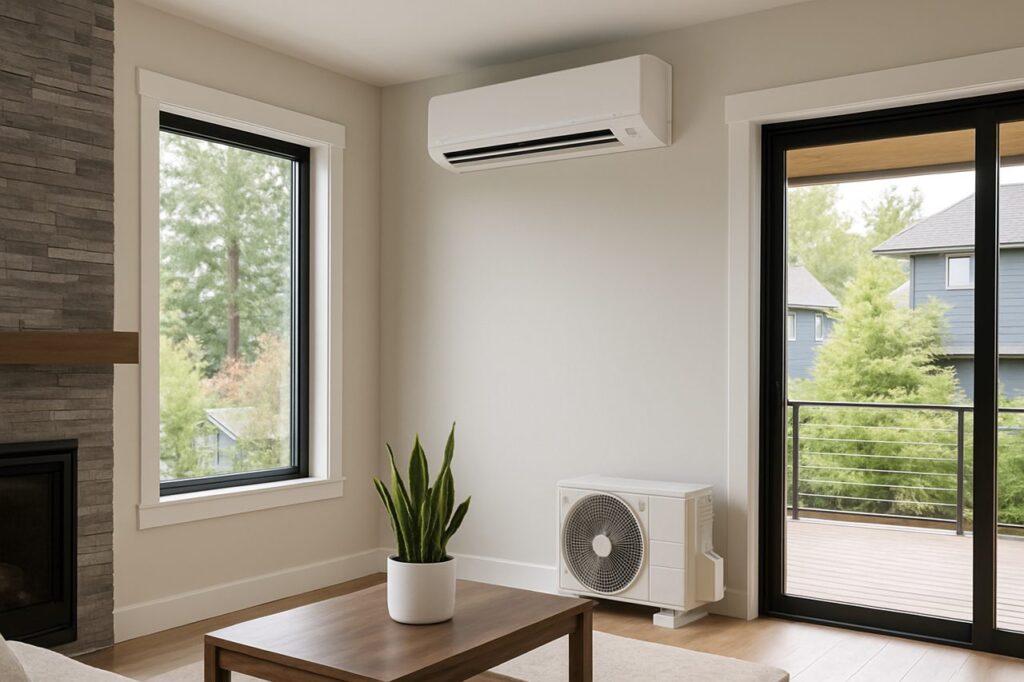
A ductless mini-split is a type of HVAC system that provides both heating and cooling without the need for traditional ductwork. Instead, it uses one or more indoor air handling units connected by refrigerant lines to an outdoor compressor. Each indoor unit can be controlled independently, allowing for customized comfort in different zones or rooms.
The main components include:
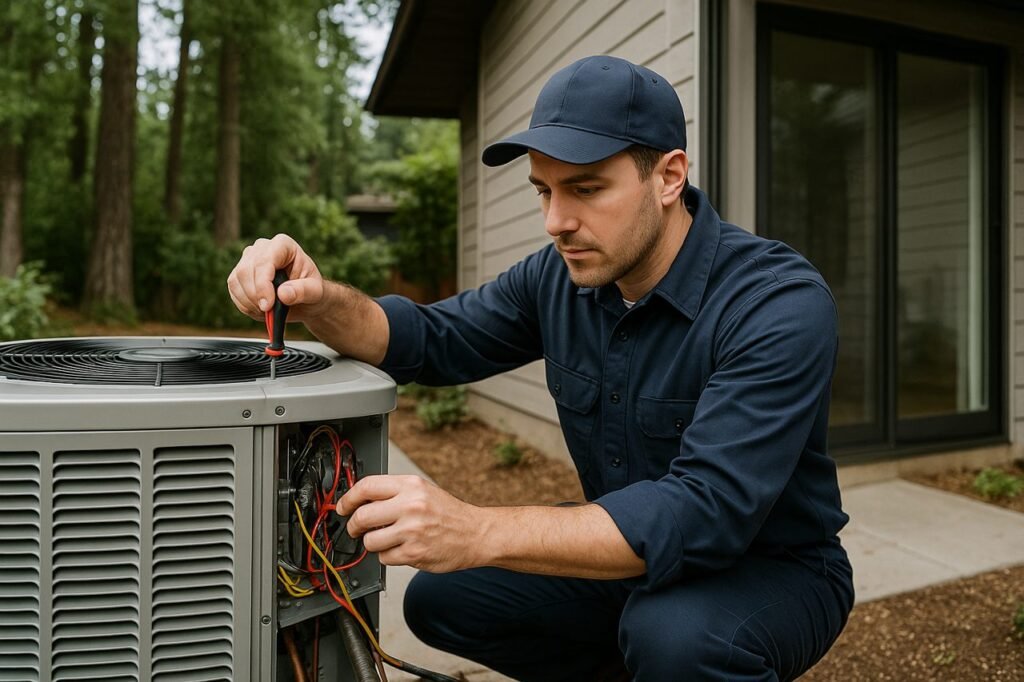
- Outdoor unit (compressor/condenser): Sits outside, similar to a standard AC or heat pump.
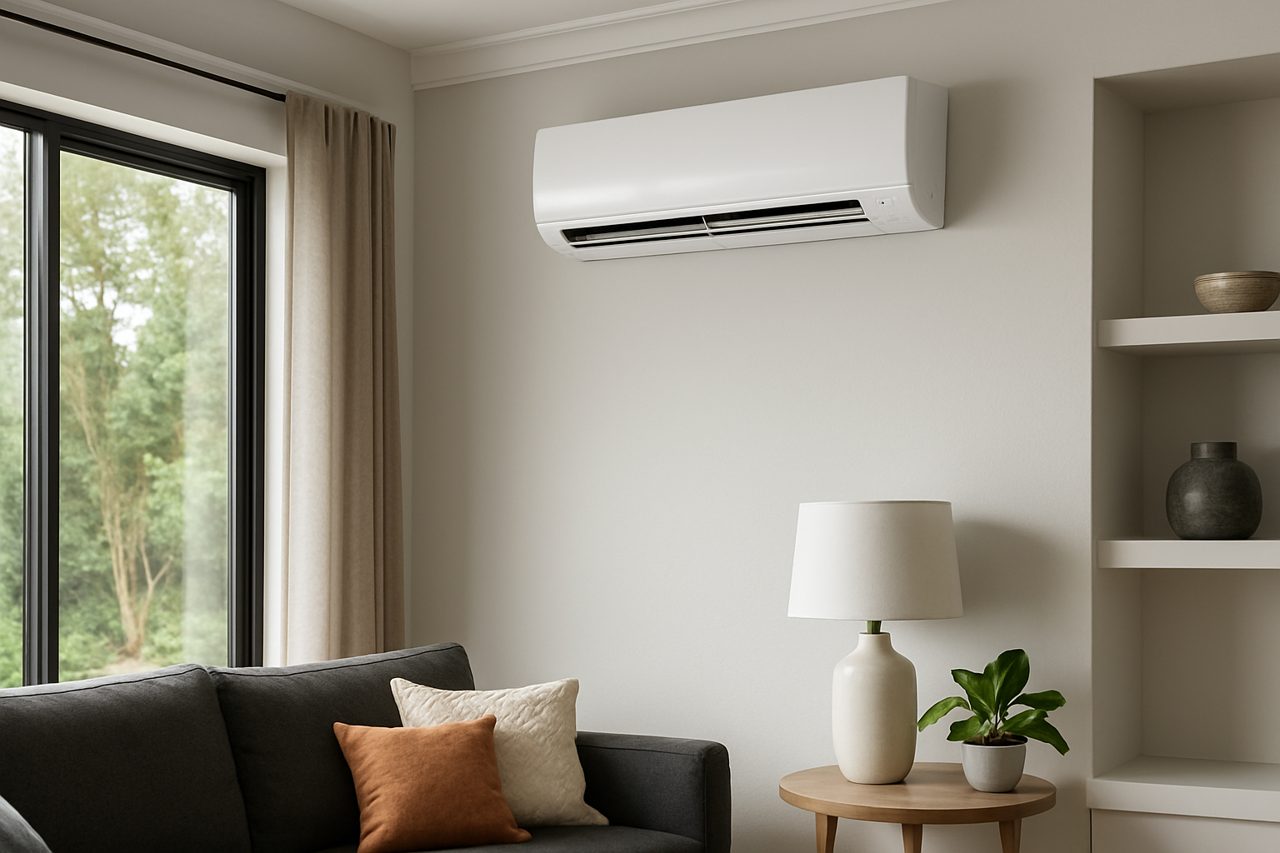
- Indoor unit(s): Wall-mounted, floor-mounted, or ceiling cassette units that blow heated or cooled air directly into the room.
- Refrigerant lines: Thin tubes that connect the indoor and outdoor units, requiring only a small hole in the wall.
Because they don’t rely on ducts, mini-splits are especially useful in older homes, additions, or spaces where installing ductwork would be costly or impractical. In Portland, where many homes are from the early 20th century and space is at a premium, this flexibility is a huge advantage.
How Does a Ductless Mini-Split Work?
At its core, a ductless mini-split is a heat pump system. It moves heat rather than generates it, making it highly efficient. Here’s how it works:
- Cooling: In summer, the system pulls warm air from inside your home, extracts the heat via the refrigerant, and releases it outside. The cooled air is then blown back into the room.
- Heating: In winter, the process reverses. The system extracts heat from the outdoor air—even when it’s cold—and transfers it inside.
Each indoor unit operates independently, so you can cool or heat only the rooms you’re using. This zoned approach saves energy and allows everyone in the household to set their preferred temperature.
How Much Does a Ductless Mini-Split Cost in Portland?
Average Price Range
In the Portland area, installing a ductless mini-split system generally costs around $3,000 to $7,000 for a single-zone (one indoor unit) setup. Multi-zone systems, which have multiple indoor units connected to one outdoor compressor, will typically range from $5,000 to $12,000 or more, depending on the number of zones and installation complexity.
Factors that impact cost:
- Number of zones: More indoor units mean higher costs.
- Brand and efficiency rating: Premium brands and higher efficiency units cost more upfront but can save on energy bills.
- Installation complexity: Homes with challenging layouts or needing long refrigerant line runs may see higher labor costs.
- Electrical upgrades: Some homes require panel upgrades or new circuits for the system.
Don’t forget to factor in potential rebates. Portland General Electric, Energy Trust of Oregon, and other utilities often offer incentives for installing high-efficiency heat pumps, which can offset your upfront investment by hundreds or even thousands of dollars.
Ongoing Operating Costs
One of the biggest draws of mini-splits is their energy efficiency. Because they transfer heat rather than generate it (like a resistance heater or baseboard), they use less electricity. Homeowners often see lower utility bills, especially if replacing older, less efficient systems. On average, a well-installed ductless mini-split can reduce heating and cooling bills by 20-40% compared to electric resistance heating.
Annual maintenance costs are relatively low—typically around $100 to $200 for professional cleaning and inspection, which helps keep your system running smoothly.
Is a Ductless Mini-Split Right for Your Home?
Ideal Scenarios for Mini-Splits
Ductless mini-splits shine in several situations common to Portland-area homes:
- Older homes without ductwork: Many Craftsman, bungalow, and mid-century homes in Portland lack central air ducts. Mini-splits provide modern comfort without costly renovations.
- Home additions or ADUs: If you’ve added a room, finished a basement, or built an accessory dwelling unit (ADU), a mini-split is often the easiest way to provide climate control.
- Rooms with hot/cold spots: Sunrooms, attics, garages, or upstairs bedrooms often struggle with comfort. A ductless unit can target these areas directly.
- Downsizing within your home: If you don’t use every room, you can heat/cool only the spaces you occupy, saving energy.
When a Mini-Split May Not Be the Best Fit
While ductless mini-splits are versatile, they’re not always the top choice for every home:
- Large homes with existing ductwork: If your whole house already has efficient ducts and a relatively new furnace or heat pump, a central system may be more cost-effective for whole-home comfort.
- Open floor plans: Mini-splits work best in enclosed spaces. Large, open-concept homes may need multiple units for even coverage.
- Aesthetic concerns: Some homeowners dislike the look of wall-mounted units, though ceiling cassettes or floor-mounted options can help.
If you’re unsure, a qualified HVAC contractor can assess your home and recommend the best setup.
Choosing the Right Ductless Mini-Split for Your Portland Home
Sizing and Zoning
Getting the right size system is critical for comfort and efficiency. An undersized unit will struggle to keep up, while an oversized one may cycle on and off frequently, wasting energy and wearing out parts faster.
Contractors perform a “Manual J” load calculation to determine the correct capacity, considering factors like:
- Square footage of the room/area
- Insulation levels
- Window size and orientation
- Ceiling height
- Climate specifics for Portland
Zoning refers to how many indoor units you need. For a single room, one indoor head is sufficient. For a multi-level home or separate living spaces (like a basement apartment), a multi-zone system is more appropriate.
Features to Look For
Not all mini-splits are created equal. When comparing brands and models, consider:
- Efficiency ratings (SEER/HSPF): Higher numbers mean lower operating costs.
- Inverter technology: Most modern units use inverter compressors, which adjust speed for more precise temperature control and efficiency.
- Smart controls: Wi-Fi-enabled systems can be controlled via smartphone.
- Noise level: Look for systems rated below 25 decibels for whisper-quiet operation.
- Warranty: Most reputable brands offer 7-12 year warranties on compressors and parts.
Popular brands in the Portland area include Mitsubishi, Daikin, Fujitsu, and LG.
Installation Considerations
Professional installation is essential for performance and warranty protection. A certified contractor will:
- Size the system correctly
- Ensure proper refrigerant charge and line set installation
- Seal wall penetrations to prevent drafts or pests
- Check electrical connections and safety
DIY installation is not recommended—it can void warranties and lead to costly mistakes.
Comparing Ductless Mini-Splits to Other Systems
Mini-Splits vs Central HVAC
Central HVAC systems use ductwork to distribute conditioned air throughout the home. They’re great for large homes with existing ducts and can be more cost-effective on a per-square-foot basis. However, ductless mini-splits offer:
- No duct losses: Ducts can leak 20-30% of conditioned air. Mini-splits have no such losses.
- Room-by-room control: No more arguing over the thermostat—each area has independent settings.
- Easier retrofits: Perfect for homes where adding ducts would be impractical or expensive.
Mini-Splits vs Window Units and Portable ACs
While window units and portable ACs are cheaper upfront, they’re less efficient, noisier, and often less effective at cooling or heating. Mini-splits offer:
- Permanent, discreet installation: No blocking windows or dragging units from room to room.
- Year-round comfort: Most units provide both heating and cooling.
- Quieter operation: The noisy compressor sits outside, not in your living space.
Mini-Splits vs Traditional Baseboard or Wall Heaters
Many older Portland homes use electric baseboards or wall heaters for warmth. Mini-splits are significantly more efficient, offering:
- Lower operating costs: Heat pumps can be 2-3 times more efficient than resistance heating.
- Cooling capability: Baseboards only heat, while mini-splits do both.
What to Expect: Installation and Maintenance
The Installation Process
Most ductless mini-split installations are completed in a single day, though complex or multi-zone projects may take longer. Here’s what the process generally involves:
1. Site assessment: The contractor determines the best location for indoor and outdoor units.
2. Mounting the indoor unit: Usually high on a wall, but floor and ceiling options are available.
3. Drilling a small hole: For refrigerant lines and electrical wiring (typically 2-3 inches in diameter).
4. Placing the outdoor unit: Ideally on a concrete pad or wall bracket, with good airflow and accessibility.
5. Connecting the system: Refrigerant lines, drain line, and electrical wiring are connected and sealed.
6. Testing and commissioning: The system is started up, checked for leaks, and tested for correct operation.
Your home won’t be a construction zone—installation is far less invasive than adding ducts.
Maintenance Tips
Ductless mini-splits are low-maintenance, but regular care keeps them running efficiently:
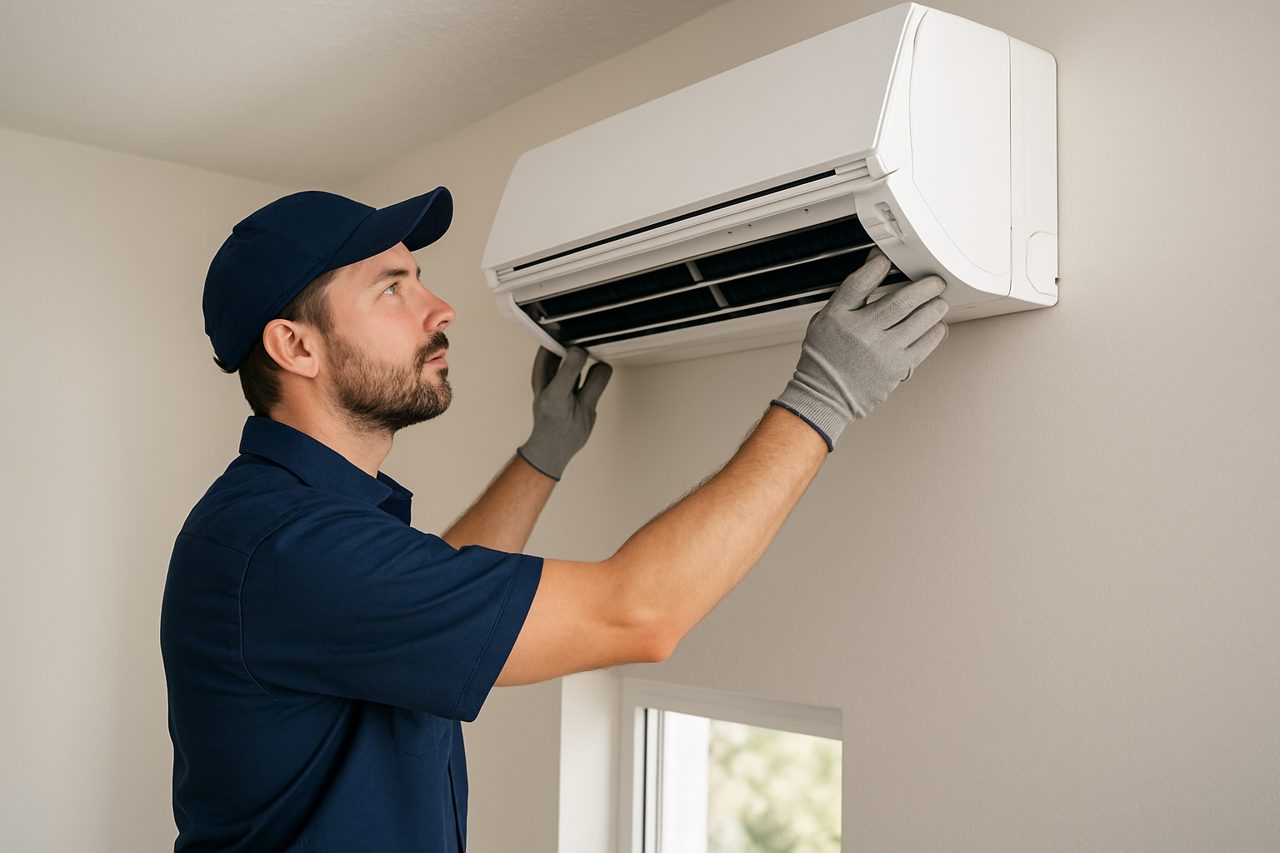
- Clean or replace filters: Every 1-3 months, depending on usage and indoor air quality.
- Wipe indoor units: Dust the exterior and vents periodically.
- Professional check-up: Annual service to inspect refrigerant levels, clean coils, and ensure optimal performance.
Neglecting maintenance can reduce efficiency and lifespan—think of it like oil changes for your car.
Lifespan and Reliability
A quality mini-split system, when properly installed and maintained, can last 15-20 years. Leading brands back their products with long warranties, especially when installed by certified contractors. In Portland’s mild climate, these systems rarely experience the extreme wear seen in harsher regions, adding to their longevity.
Frequently Asked Questions
What size ductless mini-split do I need for my Portland home?
The right size depends on the square footage, insulation, window area, and room layout. Most bedrooms and offices need a 9,000-12,000 BTU unit, while larger living rooms may require 18,000 BTUs or more. An HVAC professional uses a load calculation to ensure you get a system that matches your specific needs.
Can ductless mini-splits handle Portland’s winter temperatures?
Yes. Modern ductless mini-split heat pumps are designed to operate efficiently even when outdoor temperatures dip into the 20s or lower. Many models work effectively down to 5°F, which is more than sufficient for Portland’s mild winters. For extreme cold snaps, backup heat may be helpful, but most homeowners find mini-splits reliable year-round.
Are ductless mini-splits noisy?
Not at all. Most indoor units operate at 20-30 decibels—quieter than a whisper. The outdoor unit is placed away from living spaces and runs much more quietly than traditional AC compressors. This makes mini-splits a great choice for bedrooms, home offices, and nurseries.
How long does it take to install a ductless mini-split in Portland?
For a single-zone system, installation usually takes 1 day. Multi-zone or more complex setups may require 2-3 days. Unlike ducted systems, there’s minimal disruption to your home—no tearing up floors or walls. Your contractor will handle all permits and inspections needed for local codes.
—
A ductless mini-split can be a game-changer for comfort and energy savings in your Portland-area home, especially if you’re looking for efficient, flexible heating and cooling without the mess or expense of ductwork. Consider your home’s layout, comfort needs, and budget—and consult with a trusted local HVAC professional to see if this technology is your best fit.
Free HVAC estimates in Portland
Heating, cooling, heat pumps and furnaces across Portland and the surrounding metro.
Get a free estimate →