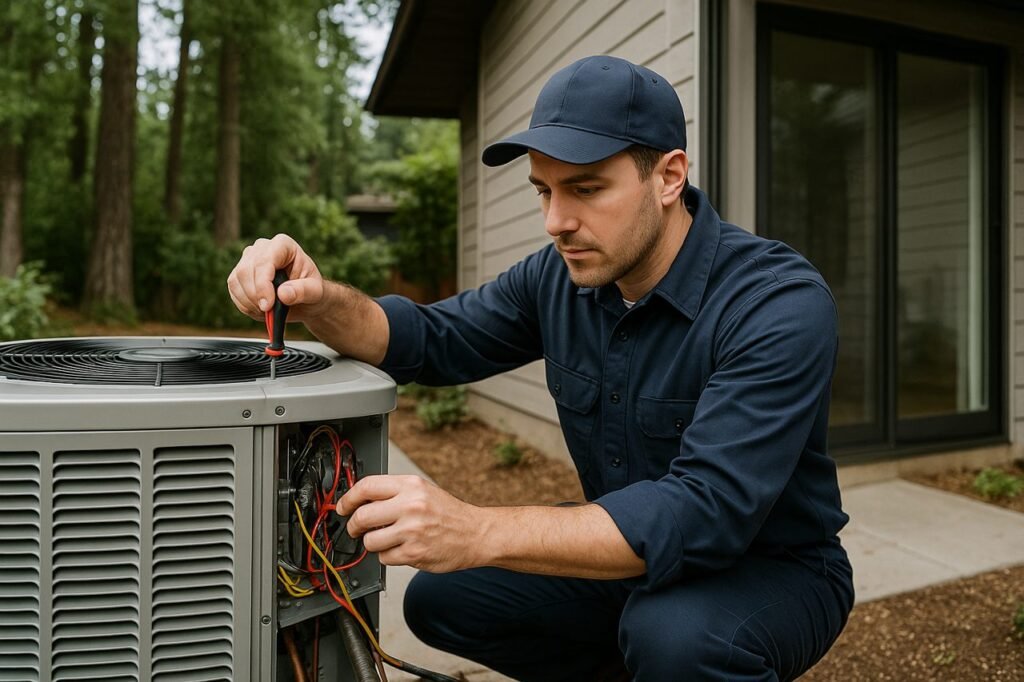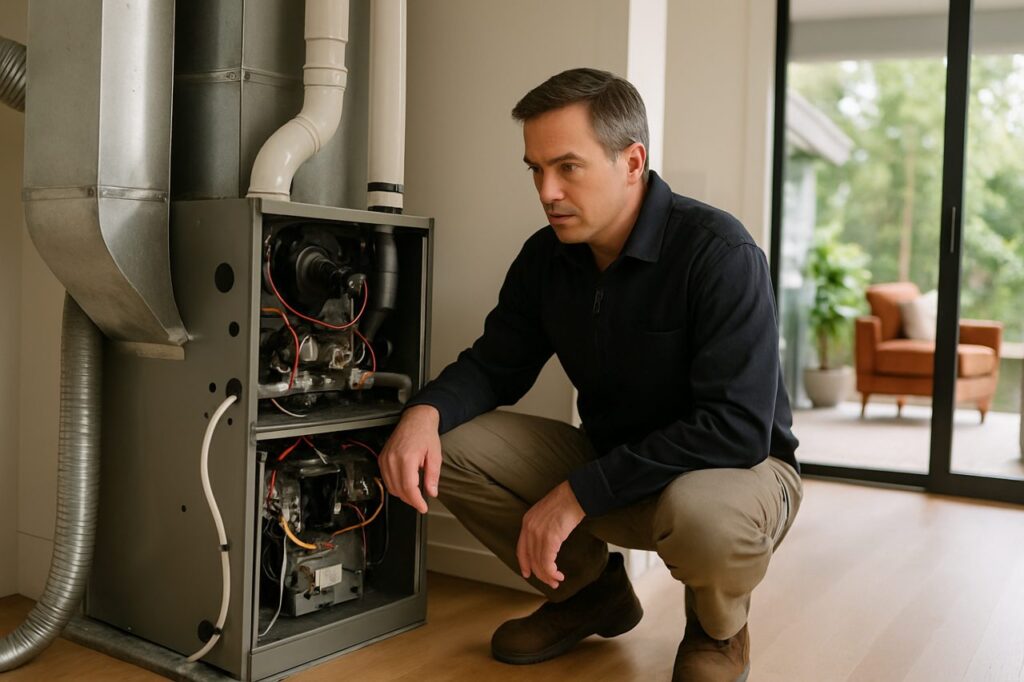
If your furnace isn’t heating in Portland, you’re probably feeling the chill — and you want answers fast. Furnace troubles can range from minor issues like a dirty filter to bigger problems like a failed blower motor or ignition system. Typically, fixing a basic furnace problem in Portland costs around $120–$400 for common repairs, but more complex failures or part replacements can run $500–$1,500 or more. The good news? Many heating hiccups are fixable without a major overhaul, but knowing when to try a DIY solution and when to call a professional HVAC technician is crucial for safety, comfort, and your wallet.
This guide breaks down the most common reasons your furnace might not be heating, how to troubleshoot some issues yourself, when it’s time to call for help, and what you can expect if you need professional furnace repair in Portland, Beaverton, Hillsboro, or Vancouver, WA. Whether your furnace is blowing cold air, not turning on at all, or simply not keeping up, we’ll help you zero in on the problem and get your home cozy again.
Key takeaways
- The most common reasons for a furnace not heating in Portland include thermostat issues, clogged filters, ignition problems, and component failures.
- Simple furnace fixes (like changing the filter or checking the thermostat) can often be done by homeowners, but electrical or gas-related repairs should be left to the pros.
- Typical furnace repair costs in Portland range from $120–$400 for minor issues, but major repairs or part replacements can exceed $1,000.
- If your furnace is making strange noises, cycling frequently, or emitting odd smells, it’s a sign to call a professional HVAC technician.
- Regular maintenance can help prevent many furnace problems and extend the life of your heating system.
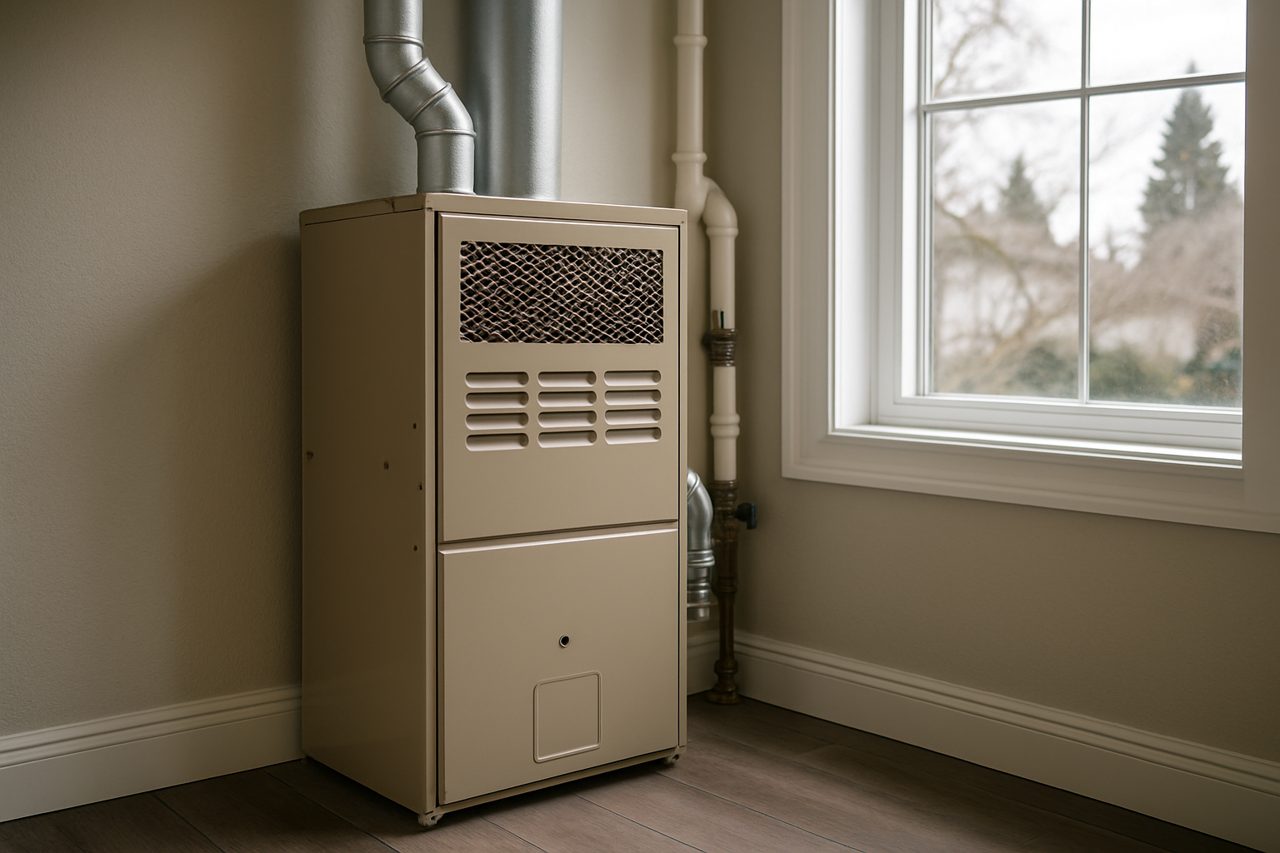
What Causes a Furnace to Stop Heating?
Modern furnaces are reliable, but a few key things can cause them to stop producing heat. Understanding these common culprits can help you figure out your next steps.
Thermostat Problems
One of the simplest — and most overlooked — reasons for a furnace not heating is an issue with the thermostat. If the thermostat isn’t set correctly, has dead batteries, or is malfunctioning, your furnace might not get the signal to turn on at all.
It’s surprisingly easy for the thermostat to get switched to “cool” or “off,” especially if you recently changed settings or had a power outage. Double-check that it’s set to “heat” and the temperature is higher than the current room temperature. If it runs on batteries, swap those out. If you have a programmable or smart thermostat, try resetting it. If none of this works, the thermostat itself might be faulty — a frequent problem in older homes around Portland.
Dirty or Clogged Air Filter
A dirty air filter is a top reason for furnaces not heating properly. When the filter is clogged with dust, pet hair, or debris (which is common during Portland’s rainy winters), airflow is restricted. This can cause the furnace to overheat and shut down as a safety measure, or simply prevent enough warm air from circulating.
Most homeowners should check and replace the filter every 1–3 months during heating season. If you’re not sure where your filter is, look for a slot on the side of the furnace or in the return air duct. Swapping in a fresh filter is a quick and inexpensive fix, and often enough to get your heat back on.
Ignition or Pilot Light Failures
If your furnace is relatively old (especially those installed before 2010 in the Portland area), it may have a standing pilot light that can go out, particularly if there’s a gust of wind or a draft in the basement. Newer furnaces use electronic ignition systems, which can fail due to wear and tear, electrical problems, or a dirty flame sensor.
If the pilot light is out, relighting it according to the manufacturer’s instructions can sometimes solve the problem. However, if the pilot won’t stay lit or the electronic igniter isn’t working, it’s time to call a professional. These repairs often involve working with gas and electricity, which should be left to licensed technicians.
Blower Motor or Electrical Problems
The blower motor is responsible for pushing heated air through your ducts and into your rooms. If the motor fails or the electrical connections are loose or corroded (not uncommon in damp Portland basements), your furnace may run but you’ll feel little or no warm air coming from the vents.
Signs of blower trouble include strange noises (squealing, grinding), weak airflow, or the furnace shutting off unexpectedly. Some minor issues, like a tripped circuit breaker, can be checked and reset by the homeowner. But persistent electrical or motor problems require professional furnace repair, as they can pose safety hazards.
Other Mechanical Failures
Older furnaces can develop other mechanical issues, such as a cracked heat exchanger, faulty limit switch, or malfunctioning control board. These parts wear out with age and heavy use, especially during cold Portland winters. If you notice a burning smell, hear unusual noises, or see an error code flashing on your furnace, it’s best to call a professional to diagnose the exact problem.
DIY Furnace Troubleshooting Steps
Before you reach for the phone, it’s worth checking a few things yourself. Many “no heat” calls in Portland turn out to be simple fixes that don’t require a service visit.
Check the Thermostat and Power
Start by making sure your thermostat is set to “heat” and the temperature is above the current room temperature. If it runs on batteries, replace them. For smart thermostats, try restarting or resetting the device.
Next, check that the furnace has power. Make sure the switch (usually located on or near the furnace) is in the “on” position. Check your home’s electrical panel for a tripped circuit breaker or blown fuse. Reset if needed.
Inspect and Replace the Air Filter
Locate your furnace filter and slide it out. If it’s clogged with dust or dirt, replace it with a new one of the same size and rating. Mark your calendar to check it again in a month — Portland’s wet winters and allergy season can clog filters quickly.
A clean filter not only helps your furnace run better but also improves your indoor air quality, which is especially important if you have allergies or asthma.
Look for Obvious Blockages or Issues
Make sure all supply and return vents in your home are open and not blocked by furniture, rugs, or drapes. Blocked vents can restrict airflow and make your furnace work harder, sometimes causing it to shut down as a safety precaution.
Check around the furnace for any obvious obstructions, such as storage items, and make sure the area is clear.
Try Resetting the Furnace
Some furnaces have a reset button (often red or yellow) on the control panel. If the furnace has shut down due to a minor error, pressing this button may restart it. Only press it once, and don’t force anything. If the furnace doesn’t restart or keeps shutting off, it’s time to call a pro.
When to Stop and Call a Professional
If you smell gas or burning, hear loud banging or screeching noises, or your furnace won’t start after basic troubleshooting, do not try to repair it yourself. Gas furnaces in particular can be dangerous if not handled correctly. Professional HVAC technicians have the skills and tools to safely diagnose and fix these issues.
When to Call a Furnace Pro in Portland
While DIY fixes are tempting, some furnace problems are too complex — or dangerous — for most homeowners. Here’s when you should definitely call a licensed HVAC technician in Portland or the surrounding area.
Signs of Serious Furnace Problems
- Unusual noises: Banging, screeching, or rattling can indicate a failing blower motor, loose parts, or a cracked heat exchanger.
- Frequent cycling: If your furnace turns on and off rapidly, it could signal a thermostat issue, airflow problem, or a failing part.
- Strange smells: A rotten egg or sulfur smell indicates a gas leak — evacuate immediately and call the gas company. Burning or musty odors can mean electrical issues or mold.
- Pilot light won’t stay lit: Repeated pilot failures usually need professional repair.
- No heat at all after basic troubleshooting: If you’ve checked the thermostat, filter, and power with no luck, it’s time to call a pro.
Safety and Warranty Considerations
Attempting to fix electrical or gas components yourself isn’t just risky — it can also void your furnace’s warranty. Most furnace manufacturers require that major repairs be performed by licensed technicians. This protects you in case of future breakdowns and ensures your system meets safety codes.
In Portland, many homes also have older gas lines or electrical systems. Improper repairs can lead to costly damage or even dangerous situations like gas leaks or electrical fires.
What to Expect from a Professional Furnace Repair Visit
When you call for furnace repair in Portland, Hillsboro, Beaverton, or Vancouver, a technician will typically:
- Inspect the furnace and run diagnostic tests
- Check for error codes and component failures
- Examine the heat exchanger, blower, igniter, and electrical connections
- Recommend repairs or part replacements
- Provide an upfront estimate before starting work
Most common repairs (like replacing a blower motor, igniter, or control board) can be done in a single visit, especially if the technician has the right parts on hand. If a major component needs to be ordered, you’ll get a timeline and cost breakdown. Reputable HVAC companies will also check for carbon monoxide leaks and ensure your system is operating safely before leaving.
Typical Furnace Repair Costs in Portland
It’s normal to wonder how much you’ll pay to get your heat back on. Furnace repair costs in Portland can vary widely based on the issue, the age of your system, and parts availability.
Minor Repairs and Maintenance
- Thermostat replacement or repair: Around $120–$350, depending on the type (manual, programmable, or smart).
- Filter replacement and cleaning: $50–$120, though most homeowners can do this themselves.
- Igniter or flame sensor cleaning: $120–$250.
- Basic electrical fixes (wires, relays): $150–$300.
These fixes are usually quick and may even be covered by an annual maintenance plan.
Major Component Repairs
- Blower motor replacement: $400–$900 for parts and labor, especially if it’s a variable-speed motor.
- Control board replacement: $350–$700.
- Heat exchanger repair/replacement: $800–$2,000 (sometimes it’s more cost-effective to replace the furnace if it’s very old).
- Gas valve or pilot assembly: $300–$600.
Keep in mind, Portland’s climate means furnaces work hard in winter, so investing in quality repairs or replacements can save you money in the long run.
Emergency and After-Hours Fees
If your furnace quits on a cold weekend or late at night, be prepared for possible emergency service fees. These can add $100–$200 to the bill, but many reputable companies offer same-day or next-day service during the busy winter season.
Repair vs. Replace: When Is It Time for a New Furnace?
If your furnace is more than 15–20 years old, needs frequent repairs, or your bills are rising despite regular maintenance, it may be time to consider a replacement. New high-efficiency furnaces can significantly lower your energy costs, and many Portland-area utilities offer rebates for upgrading to energy-efficient models.
How to Choose a Reliable Furnace Repair Company in Portland
Not all HVAC companies are created equal. If you’re searching for “furnace not heating Portland,” here’s how to find a trustworthy technician.
Look for Local Experience and Reviews
Choose a company that has a solid reputation in the Portland metro area, including Beaverton, Hillsboro, and Vancouver, WA. Check online reviews, ask neighbors for recommendations, and look for companies that have been in business for several years. Local experience matters — technicians who understand the quirks of Portland’s older homes and unique climate will provide more accurate diagnoses and repairs.
Verify Licensing and Insurance
Oregon and Washington require HVAC contractors to be licensed and bonded. Ask for their CCB (Construction Contractors Board) number or Washington contractor license. Make sure they carry liability insurance to protect you in case of accidental damage.
Transparent Estimates and Warranties
A reputable company will provide a clear, written estimate before starting any work. Ask about warranties on both parts and labor — most repairs should come with at least a 1-year warranty. Transparency about pricing and repair options is a sign of a trustworthy business.
Emergency Services and Maintenance Plans
Portland’s winter weather can make furnace failures urgent. Look for companies that offer emergency or same-day repair services. Many reputable HVAC providers also offer annual maintenance plans, which can save you money on repairs and extend the life of your furnace.
Preventing Future Furnace Problems
Once your heat is back on, you’ll want to keep it that way. Regular maintenance and a few smart habits can prevent many common furnace issues.
Schedule Annual Furnace Maintenance
Most HVAC professionals recommend a full furnace tune-up every fall. This includes checking the heat exchanger for cracks, lubricating moving parts, testing safety controls, and cleaning the blower and burners. Annual maintenance typically costs $120–$200 in Portland and can catch small problems before they become expensive repairs.
Change Filters Regularly
Mark your calendar to check and replace your furnace filter every 1–3 months during heating season. If you have pets, allergies, or use your furnace heavily, you may need to change it more often. Clean filters help your system run efficiently and keep your indoor air healthier.
Keep Vents and Furnace Area Clear
Make sure all supply and return vents are unblocked, and keep the area around your furnace clear of storage items, dust, and debris. Good airflow helps your furnace run smoothly and safely.
Watch for Warning Signs
Don’t ignore unusual noises, smells, or changes in heating performance. Addressing problems early can prevent bigger breakdowns and more costly repairs.
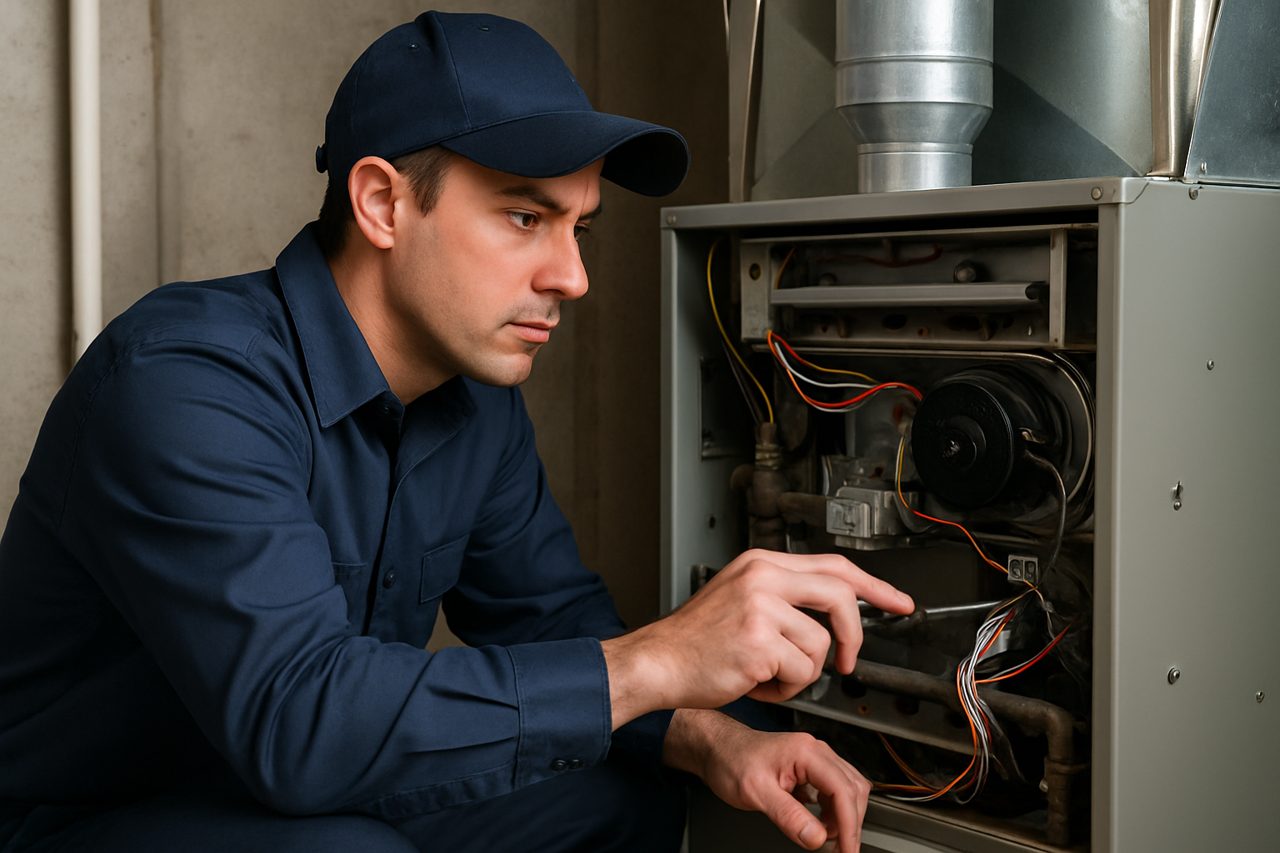
Frequently Asked Questions
Why is my furnace blowing cold air in Portland?
If your furnace is running but only cold air is coming out, check the thermostat settings first. Make sure it’s set to “heat” and not “fan only.” A dirty filter, faulty igniter, or blower motor issue can also cause this problem. If simple fixes don’t work, you may have a failed heating element or gas supply issue — call a professional HVAC technician for a thorough diagnosis.
My furnace keeps turning on and off — what’s causing this?
Frequent cycling (short cycling) is often caused by a clogged filter, thermostat problems, or an oversized furnace. It can also signal a malfunctioning flame sensor or overheating due to restricted airflow. Try replacing the filter and checking the thermostat. If the problem persists, call a local HVAC expert to inspect your system.
How often should I have my furnace serviced in Portland?
It’s best to schedule professional furnace maintenance once a year, ideally in the fall before heating season. Regular service helps catch small issues early, improves energy efficiency, extends the life of your furnace, and keeps your warranty valid.
Is it safe to try and relight my furnace’s pilot light myself?
If you have an older furnace with a standing pilot light and clear instructions from the manufacturer, it’s usually safe to relight it yourself. Make sure to turn off the gas, wait a few minutes, and follow the instructions exactly. If the pilot won’t stay lit or you smell gas, turn everything off and call a professional immediately — gas leaks or ignition problems can be very dangerous.
Free HVAC estimates in Portland
Heating, cooling, heat pumps and furnaces across Portland and the surrounding metro.
Get a free estimate →