HVAC Repair or Replace Portland: How to Decide for Your Home
If your heating or cooling system is acting up, you might wonder whether it's smarter to repair it or replace it entirely. For homeowners in Portland, the answer depends on several factors: the age of your system, the cost of repairs, energy efficiency, and even the unique climate of the Pacific Northwest. Typically, repairing an HVAC unit in Portland can range from around $150 for minor fixes to $1,500 or more for major repairs. Replacing a full system, on the other hand, usually costs between $6,000 and $12,000, depending on the system type and installation complexity.
Deciding between HVAC repair or replacement isn't always straightforward, especially when you factor in the region’s damp winters and hot, dry summers. If your furnace or AC unit is over 12-15 years old, or if you’re facing constant breakdowns, replacement might offer better comfort and savings in the long run. However, for newer units or minor issues, a repair is often the most sensible and affordable route. This guide will walk you through the key considerations, costs, and Portland-specific factors to help you make a confident, informed choice.
Key takeaways
- Repairing an HVAC system in Portland typically costs $150–$1,500; full replacements usually range from $6,000–$12,000.
- Age, repair frequency, and energy efficiency are crucial factors in deciding whether to repair or replace.
- Portland’s damp winters and hot summers put unique demands on HVAC systems, affecting lifespan and performance.
- Newer systems (under 10 years old) are often worth repairing, while older systems (over 15 years) may be better replaced.
- Energy-efficient replacements can lower utility bills and improve indoor comfort, especially in older Portland homes.
- Always get a professional diagnosis and compare repair costs to replacement costs before making a decision.
Understanding HVAC Repair vs. Replacement
When your HVAC system starts making strange noises or isn’t keeping your home comfortable, the first step is to figure out whether a repair will suffice or if it’s time for a new system. This choice affects your comfort, your wallet, and even your home’s value.
How HVAC Systems Work
Your HVAC (Heating, Ventilation, and Air Conditioning) system is the backbone of indoor comfort. In Portland, common systems include furnaces, air conditioners, heat pumps, and ductless mini-splits. All these systems share the job of keeping your home’s temperature and air quality just right, regardless of the season.
Furnaces and heat pumps provide heating during chilly, wet winters, while air conditioners and heat pumps cool the air in the summer. Ductless mini-splits are increasingly popular in Portland for their energy efficiency and flexibility, especially in older homes without existing ductwork. All these systems use moving parts—fans, compressors, motors—that wear down over time.
Signs Your HVAC System Needs Attention
Before you decide on HVAC repair or replacement, watch for these warning signs:
- Uneven heating or cooling across rooms
- Strange noises (rattling, banging, squealing)
- Frequent cycling on and off
- Rising energy bills without higher usage
- Poor air quality or excessive dust
- Water leaks or moisture around the unit
If you’re experiencing one or more of these symptoms, it’s time to call a trusted Portland HVAC pro for an inspection. A good technician will pinpoint the issue and give you a clear sense of what’s required—and whether repair or replacement is the smarter move.
The 50% Rule
One common industry guideline is the “50% rule”: if the cost to repair your HVAC system is more than half the price of a new one, replacement usually makes more financial sense. This rule isn’t set in stone, but it’s a helpful starting point—especially if your system is older or has a history of issues. Portland homeowners often find that upgrading to a newer, more efficient system pays off quickly through lower energy bills and fewer breakdowns.
Cost Breakdown: HVAC Repair or Replace in Portland
Understanding the financial side is critical when weighing HVAC repair or replacement. Prices in Portland can differ from other parts of the country due to local labor rates, weather demands, and the types of systems common in the area.
Typical Repair Costs in Portland
Most minor HVAC repairs—like replacing a thermostat or fixing an ignitor—fall in the $150 to $500 range. If you need more extensive work, such as replacing a compressor or blower motor, costs can climb to $1,000–$1,500 or even higher. Emergency repairs, especially during peak heating or cooling seasons, may also cost more due to after-hours labor.
In Portland, some repair costs to expect:
- Thermostat replacement: around $150–$300
- Blower motor repair/replacement: $400–$900
- Capacitor or relay replacement: $150–$350
- Refrigerant recharge (for older ACs): $200–$600
- Heat exchanger replacement: $800–$1,500
If your system requires several of these repairs in short order, costs can add up quickly—another reason to consider replacement.
Replacement Costs for Portland Homes
A full HVAC system replacement is a significant investment. Costs vary based on system type, size, efficiency, and whether ductwork needs to be replaced or modified. Here’s a ballpark for Portland area homes:
- Central air conditioner: $5,000–$9,000 (installed)
- Furnace: $4,000–$7,000 (installed)
- Heat pump: $6,500–$11,000 (installed)
- Ductless mini-split (single zone): $4,000–$7,000
- Full system (furnace + AC or heat pump): $8,000–$12,000
Homes in Beaverton, Hillsboro, or Vancouver, WA may see similar figures, though costs can swing higher for large homes, custom installations, or high-efficiency models.
Comparing Short-Term vs. Long-Term Costs
It’s tempting to choose the cheapest option upfront. But if you spend $1,200 fixing a 17-year-old furnace, only to face another $900 repair next winter, you’re likely throwing good money after bad. New systems come with warranties, better efficiency, and fewer repair hassles. Weigh your options by considering repair frequency, energy savings, and how long you plan to stay in your home.
Deciding Factors: When to Repair, When to Replace
Every home and HVAC system is unique, but there are some clear guidelines that can steer your decision.
Age of Your HVAC System
Most furnaces, heat pumps, and AC units last 12–20 years, depending on maintenance and usage. In Portland, the damp climate can cause rust and wear, especially if annual tune-ups are skipped. Here’s a general rule of thumb:
- Under 10 years old: Usually worth repairing unless the issue is severe.
- 10–15 years old: Consider the cost of repair vs. new system savings.
- Over 15 years old: Replacement is often the smart choice, especially if repairs are frequent.
If your unit is approaching or past its typical lifespan, even a small repair might be a sign that more issues are on the horizon.
Frequency and Cost of Repairs
A single, minor repair on a younger system is rarely cause for concern. But if you’re calling for service every year—or worse, multiple times per year—it’s a red flag. Tally your repair bills over the past 2–3 years. If you’re spending more than $500 per year on fixes (or half the cost of a new system total), replacement becomes the better investment.
Energy Efficiency and Utility Bills
Older HVAC systems are much less efficient than modern, ENERGY STAR®-rated units. If your heating and cooling bills are creeping up, or you notice uneven temperatures, your system may be working overtime due to age or outdated technology. In Portland, where both heating and cooling are needed, this inefficiency adds up quickly. Newer systems can cut energy use by 20–40%, leading to savings that help offset replacement costs.
Comfort and Air Quality
Comfort is about more than just temperature. Drafty rooms, excessive humidity, or stale air are all signs your HVAC system is struggling. Older systems often lack the filtration, humidity control, or variable speed features found in modern units. If your home suffers from hot/cold spots, excessive dust, or allergy issues, a replacement system can make a noticeable difference.
Environmental Impact
Oregon households care about their environmental footprint. Newer HVAC systems use less energy and, in the case of air conditioners and heat pumps, often rely on more environmentally friendly refrigerants. If your old system uses R-22 (Freon), which is being phased out, replacement is usually smarter both for your wallet and the planet.
How to Choose the Right HVAC System for Your Portland Home
If replacement makes sense, it’s important to pick a system that fits your home and lifestyle—not just the lowest price tag.
Consider Your Home’s Size and Layout
Portland features a mix of older craftsman homes, mid-century ranches, and newer builds. The best HVAC solution depends on your home’s size, insulation, and layout. A large, open-plan house may need a more powerful system, while a smaller bungalow could benefit from ductless mini-splits for targeted comfort.
A professional HVAC contractor will perform a heat load calculation (called a Manual J) to determine the correct system size. Avoid oversizing or undersizing—both can lead to comfort problems and wasted energy.
System Types: Furnace, Heat Pump, Ductless Mini-Split
- Furnaces: Still popular for reliable heat in cold Portland winters. Natural gas models are common, but electric options are available.
- Heat pumps: Provide both heating and cooling by moving heat in or out of your home. Excellent for Portland’s mild climate and can be paired with an electric furnace for backup.
- Ductless mini-splits: Ideal for older homes without ducts, new additions, or areas needing zoned comfort. They’re quiet, efficient, and offer both heating and cooling.
Each system has pros and cons (covered later), so talk to a local HVAC expert about which fits your needs.
Energy Efficiency Ratings
Look for ENERGY STAR®-certified systems. Key numbers include:
- AFUE (Annual Fuel Utilization Efficiency) for furnaces: Higher is better (90%+ is good).
- SEER (Seasonal Energy Efficiency Ratio) for ACs and heat pumps: Look for 16+ SEER.
- HSPF (Heating Seasonal Performance Factor) for heat pumps: 8 or higher is efficient.
Efficient systems cost more upfront but pay off with lower monthly bills.
Local Rebates and Incentives
The Portland area offers several rebates and incentives for upgrading to energy-efficient HVAC systems. The Energy Trust of Oregon, PGE, NW Natural, and even the federal government may offer hundreds or thousands in incentives for qualifying systems. Ask your HVAC contractor about current offers—you may be able to upgrade your system for less than you think.
Portland-Specific Considerations for HVAC Repair or Replacement
Portland’s climate and housing stock create unique challenges and opportunities for HVAC systems.
Damp Winters and Mold Risks
Portland’s winters are famously wet, with months of rain and high humidity. This can take a toll on HVAC components, especially older furnaces and ductwork. Moisture can cause rust, electronic failures, and promote mold growth in ducts or air handlers.
If your system is showing signs of corrosion, musty odors, or visible mold, replacement may be necessary to protect your family’s health. When installing a new system, ask about dehumidification and air purification options.
Hot, Dry Summers
While winters are damp, summers in Portland can be surprisingly hot and dry. Heat waves are becoming more common, and older AC units or heat pumps may struggle to keep up. If your current system can’t cool your home during July and August, or if it’s breaking down in the heat, it may be time to invest in a more robust or efficient system.
Older Homes and Ductwork
Portland’s historic homes are beautiful but often lack modern ductwork. Retrofitting ducts can be costly and disruptive. In these situations, ductless mini-splits offer a non-invasive, highly efficient solution. If your old system relies on leaky, uninsulated ducts, replacing both the system and the ducts can dramatically improve comfort and efficiency.
Local Codes and Environmental Regulations
Portland and Oregon have strict codes for HVAC efficiency and refrigerant use. Systems using old refrigerants (like R-22) are being phased out, and high-efficiency equipment is often required for new installs. Always work with a licensed, local contractor who understands these rules to avoid fines or future headaches.
Energy Costs in the Portland Metro
Electricity and natural gas prices in Portland are moderate compared to some regions, but they’re still a significant monthly expense. Investing in a high-efficiency system can help control these costs, especially during long heating seasons or summer heat spikes.
Pros and Cons of Repairing vs. Replacing Your HVAC
Both options have their place. Here’s how they stack up for Portland homeowners.
Pros of Repairing
- Lower upfront cost: Repairs are usually much cheaper than a full replacement, especially for minor issues.
- Less disruption: Most repairs can be completed in a few hours, with minimal impact on your daily life.
- Extends system life: A well-timed repair can squeeze a few more years out of your existing unit, especially if it’s otherwise in good shape.
- Good for newer systems: If your HVAC is under 10 years old, repairs make sense unless there’s a major failure.
Cons of Repairing
- Short-term fix: Older systems may need frequent repairs as they age, leading to mounting costs.
- Lower efficiency: Even after repairs, older units can’t match the efficiency and comfort features of modern systems.
- No warranty coverage: Repairs may only come with a limited guarantee, while new systems include manufacturer warranties.
- Risk of breakdowns: There’s always the chance another part will fail, especially after a major repair.
Pros of Replacing
- Improved efficiency: New systems can cut energy use by up to 40%, lowering your utility bills.
- Better comfort: Modern HVAC units offer more consistent temperatures, quieter operation, and improved air quality.
- Longer warranty: New installs typically include 5–10 year warranties on parts and labor.
- Increased home value: Upgrading to a high-efficiency system can make your home more attractive to buyers.
Cons of Replacing
- Higher upfront cost: Even after rebates, a new system is a major investment.
- Installation time: Replacement can take a day or more, and may require ductwork or electrical upgrades.
- May require other updates: Older homes may need new ductwork, electrical circuits, or permits, adding to the total.
HVAC Maintenance: Extending the Life of Your System
No matter whether you repair or replace, regular HVAC maintenance is the key to keeping your system running smoothly in Portland’s variable climate.
Benefits of Annual Maintenance
- Prevents breakdowns: Technicians can catch small issues before they become major repairs.
- Improves efficiency: Cleaning and calibrating your system helps it run at peak performance.
- Extends lifespan: Well-maintained systems often outlast neglected ones by several years.
- Protects your warranty: Most manufacturers require annual maintenance to keep warranties valid.
What’s Included in a Typical Tune-Up
A professional HVAC tune-up should include:
- Cleaning or replacing air filters
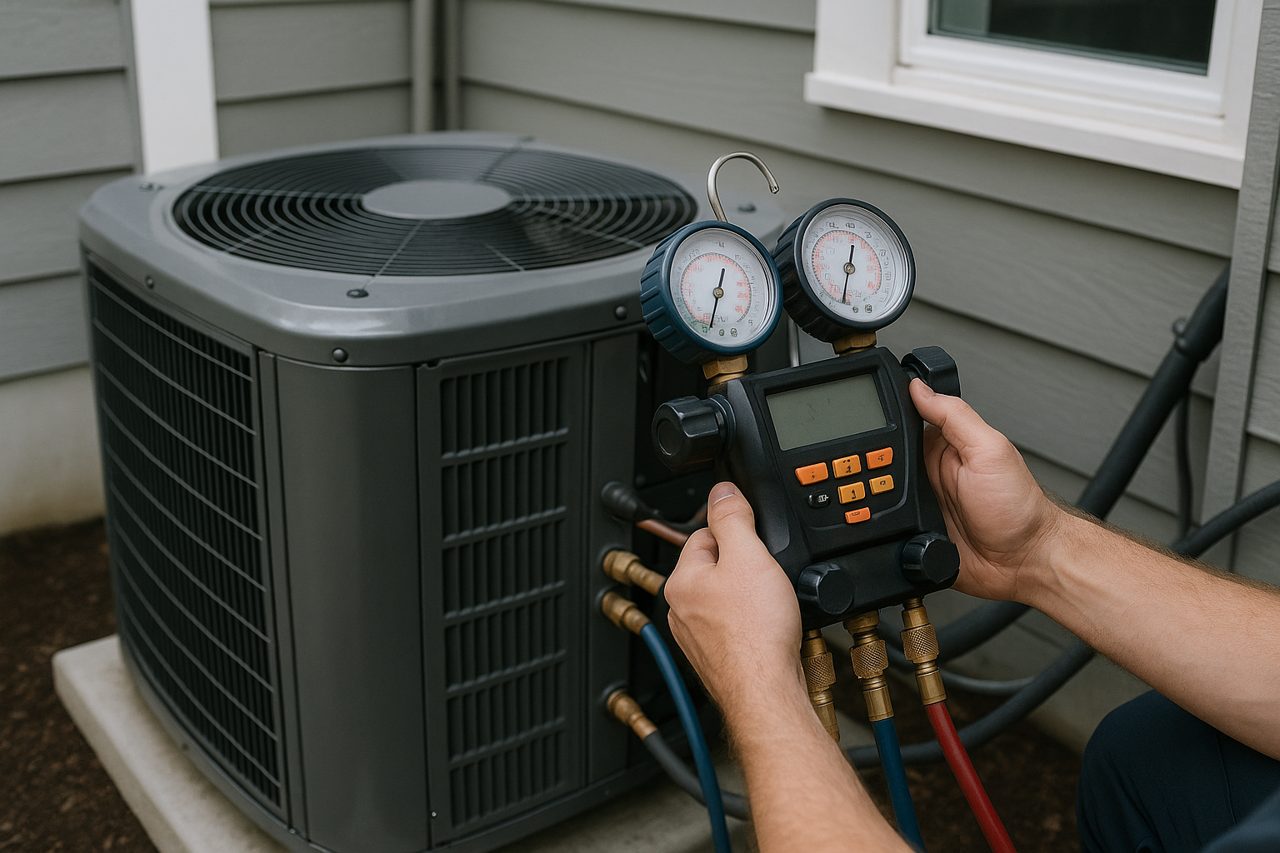
- Checking refrigerant levels and pressures
- Inspecting and cleaning blower components
- Lubricating moving parts
- Testing safety controls and thermostat calibration
- Inspecting electrical connections
- Checking for leaks, rust, or corrosion
In Portland, it’s smart to schedule maintenance in the spring (for ACs/heat pumps) and fall (for furnaces/heat pumps) before peak seasons hit.
DIY Maintenance Tips
While some tasks require a pro, you can extend your system’s life by:
- Changing filters every 1–3 months (more often if you have pets or allergies)
- Keeping outdoor units clear of leaves, debris, and overgrown plants
- Checking that vents and registers are open and unblocked
- Watching for water leaks or unusual noises
Prompt attention to small issues can save you from much larger headaches (and bills) down the line.
Mistakes to Avoid When Deciding on HVAC Repair or Replacement
Making the right call on repair vs. replacement can save you thousands—but the wrong choice can cost you.
Ignoring the Age of Your System
It’s easy to keep patching up an old furnace or AC to delay the expense of replacement. But if your unit is 15+ years old, repairs are often just a temporary bandage. Investing in a new, efficient system may actually cost you less over time.
Choosing the Cheapest Fix Without Considering the Future
A $250 repair might solve today’s problem, but if your system is inefficient or unreliable, you’ll keep paying in higher bills and more repairs. Always compare the cost of repair to the price and benefits of replacement.
Failing to Get a Professional Diagnosis
Some HVAC problems look similar—a lack of heat could be a dirty filter, a bad ignitor, or a failing heat exchanger. Guessing (or hiring a handyman instead of a licensed pro) can lead to wasted money or even safety hazards. Always get a thorough inspection from a qualified Portland HVAC technician.
Overlooking Energy Rebates and Incentives
Upgrading your system is expensive, but Portland area homeowners can often take advantage of rebates from Energy Trust of Oregon, local utilities, or federal programs. Skipping these can mean leaving hundreds or thousands on the table.
Neglecting Regular Maintenance
Whether you repair or replace, skipping regular tune-ups is a costly mistake. Lack of maintenance is a leading cause of breakdowns and voided warranties.
Not Considering Comfort and Air Quality
Don’t focus solely on cost. If your old system leaves rooms drafty, damp, or stuffy, a new system can deliver better comfort and healthier air—benefits that are hard to put a price on.
What to Expect During HVAC Repair or Replacement in Portland
Understanding the process can help you prepare and avoid surprises.
The Repair Process
- Diagnosis: A technician inspects your system, pinpoints the problem, and provides a written estimate.
- Repair: Most repairs are completed in 1–4 hours. The tech will test the system before leaving and offer tips for avoiding future issues.
- Follow-up: Reputable companies stand behind their work; you should receive a warranty on parts and labor.
Always ask for a clear explanation of the problem, the proposed solution, and any additional recommendations.
The Replacement Process
- Assessment and Quote: The contractor measures your home, checks insulation and ducts, and recommends system options.
- Removal: Old equipment is removed and disposed of properly (in line with local environmental rules).
- Installation: New equipment is installed, wired, and tested. Ductwork may be repaired or replaced if needed.
- System Start-Up: The installer will walk you through operating your new system, programming the thermostat, and maintaining your equipment.
- Permits and Inspections: In Portland, permits and city inspections are required for most HVAC replacements. Your contractor will usually handle this.
Plan for 1–2 days for a full replacement, depending on system complexity and any additional upgrades.
Choosing a Local Portland HVAC Contractor
Look for a licensed, insured contractor with strong local reviews and experience with your type of system. Ask about:
- NATE (North American Technician Excellence) or similar certifications
- References from local customers
- Knowledge of Portland’s climate and local codes
- Transparent, written estimates
A good contractor will answer your questions, explain your options, and never pressure you into a quick decision.
Frequently Asked Questions
How do I know if my HVAC system needs to be replaced or just repaired?
If your system is under 10 years old and the repair costs are reasonable (less than half the price of a new system), repair is usually the best choice. However, if your unit is 15 years old or more, or you’re facing frequent or costly repairs, replacement often makes more sense in the long run.
What is the average lifespan of HVAC systems in Portland?
Furnaces and air conditioners in Portland typically last 12–20 years with proper maintenance. Heat pumps and ductless mini-splits can have similar lifespans, but the region’s damp climate can cause rust and wear, especially if annual tune-ups are skipped.
Will replacing my HVAC system lower my energy bills?
Yes, upgrading to a modern, energy-efficient system can cut your heating and cooling costs by 20–40%. Newer systems are much more efficient, and features like variable speed motors or smart thermostats can further improve savings and comfort.
Are there rebates for replacing my HVAC system in Portland?
Yes, Portland area homeowners can often qualify for rebates from the Energy Trust of Oregon, local utilities (like PGE or NW Natural), and sometimes federal incentives as well. These rebates can reduce the cost of a new system by hundreds or even thousands of dollars.
Can I replace just the furnace or AC, or do I need to replace both at the same time?
You can usually replace just one component, but it’s often more efficient and cost-effective to upgrade both at once, especially if they’re both older. Installing a matched system ensures optimal performance, efficiency, and eligibility for rebates.
How long does it take to replace an HVAC system in Portland?
Most standard replacements can be completed in one full day, though complex jobs (such as adding ductwork or retrofitting an older home) may take two days or more. Your contractor should provide a timeline based on your specific situation.
Free HVAC estimates in Portland
Heating, cooling, heat pumps and furnaces across Portland and the surrounding metro.
Get a free estimate →