Skip to content

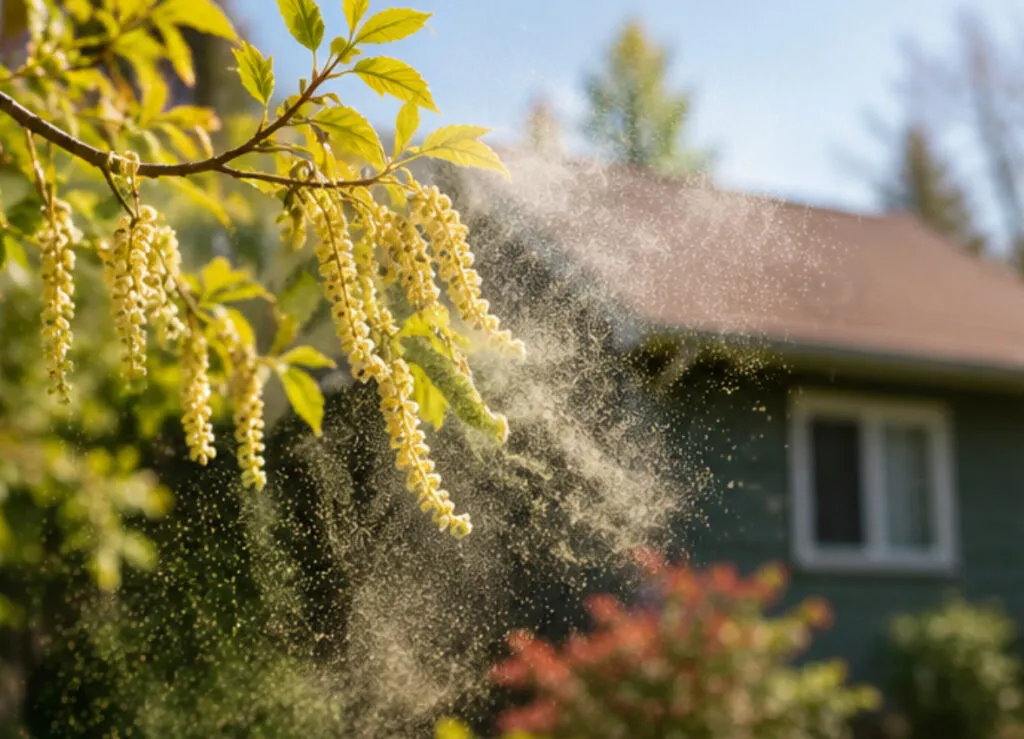
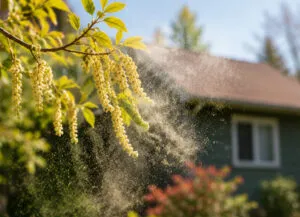
Portland’s spring is stunning on the outside, but inside your home it tells a different story. Alder trees start releasing pollen as early as February, followed by oak, cottonwood, and grass through May and June. That pollen doesn’t just float past your windows. It enters your HVAC system and gets recirculated into every room every time your heat or air conditioning runs.
If you’ve noticed more sneezing indoors, a dusty film that reappears days after cleaning, or a musty smell drifting from the vents, your ductwork deserves a close look. This guide covers why Portland’s spring drives allergen buildup inside duct systems, the signs your ducts are spreading contaminants, and what professional duct cleaning in Portland actually does to fix it.
Why Portland’s Spring Season Is Hard on Indoor Air Quality

Portland’s wet winters seal homes tight for months, letting dust, moisture, and pet dander accumulate inside ductwork without any ventilation to dilute it. Then spring arrives with one of the longest pollen seasons on the West Coast, and homeowners start opening windows, giving outdoor allergens a direct path into the return air side of the HVAC system. Once inside, they don’t leave on their own.
Here is what is working against your indoor air quality every spring in Portland:
- Alder trees release pollen as early as February, giving Portland one of the longest tree pollen seasons on the entire West Coast.
- Months of sealed-home winter conditions allow dust and biological contaminants to layer up inside ductwork with no fresh air exchange to dilute them.
- Cottonwood and poplar fluff peaks in May and June, clogging outdoor return grilles and filter housings faster than any other stretch of the year.
- The shift from heating to cooling prompts open windows, sending a surge of outdoor pollen directly into return air pathways throughout the home.
- Portland’s high water table creates crawlspace humidity that feeds musty odors and biological growth inside duct systems with ground-level return connections.
These conditions explain why allergy symptoms that start outdoors often get worse inside once the HVAC kicks on and begins circulating everything that settled in the ductwork over the past several months.
How Pollen and Debris Build Up Inside Your Ductwork
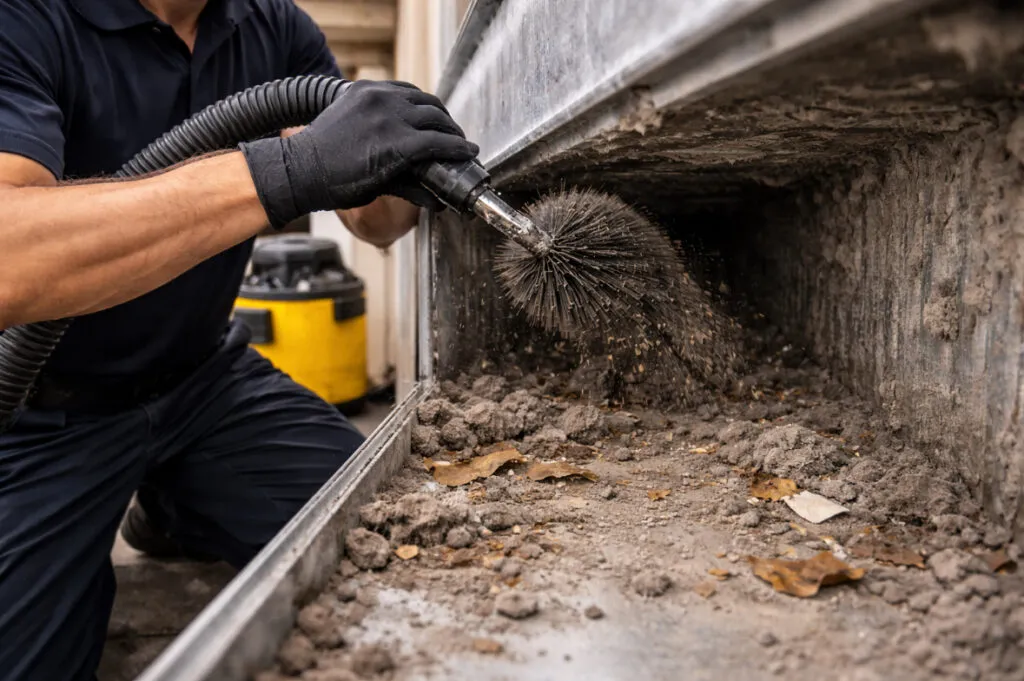
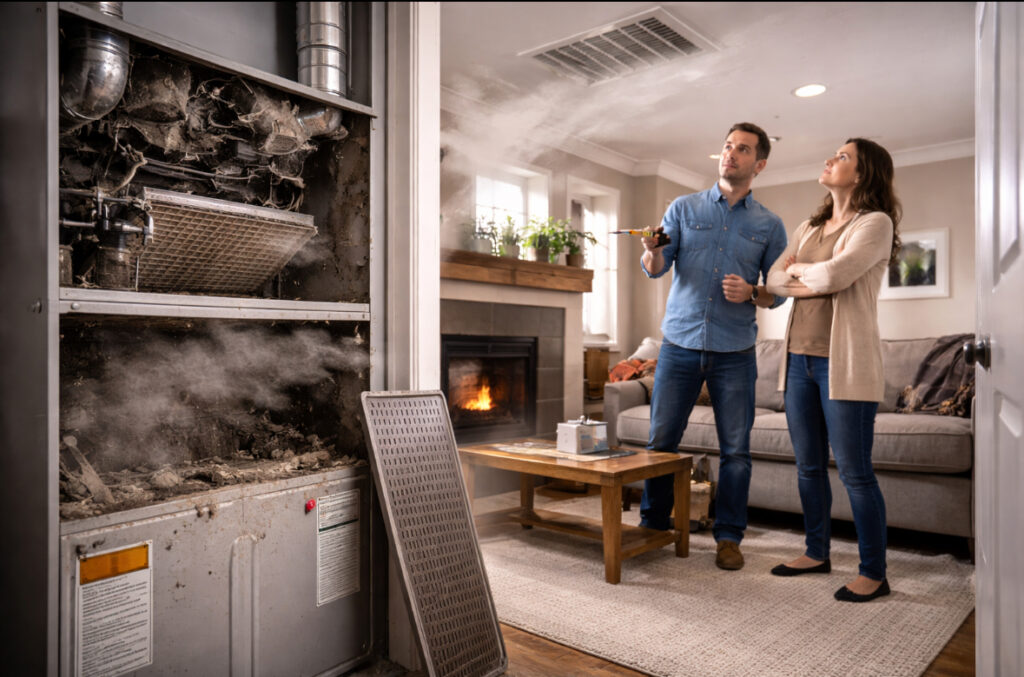
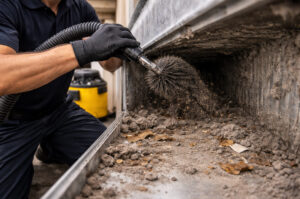
Every time your HVAC runs, it pulls return air from throughout your home along with everything floating in it: dust, pet hair, and spring pollen. Those particles settle on duct walls, accumulate around bends, and layer up at joints over months and seasons. Standard filter replacement intercepts particles at the air handler. It doesn’t reach what has already settled deeper inside the system.
| Contaminant | How It Gets In | When It Peaks |
|---|---|---|
| Tree pollen (alder, oak, birch) | Open doors, windows, return grille gaps | February through May |
| Cottonwood and grass pollen | Outdoor return grilles, door and window gaps | May through June |
| Pet dander and hair | Return air circulation throughout the year | Year-round, intensifies in spring |
| Crawlspace dust and debris | Leaky return ducts connected to crawlspace | Year-round, worsens after wet winter |
| Moisture and mold spores | Condensate, crawlspace humidity, poorly insulated ducts | Late winter through early spring |
Once contaminants are inside the duct system, your HVAC redistributes them with every cycle. Understanding what’s accumulating and how it enters makes it much easier to spot when the symptoms in your home are duct-related rather than a surface cleaning problem.
Signs Your Ducts Are Circulating Contaminants

The clearest sign your duct system is contributing to air quality problems is persistence. Dust that reappears on furniture two to three days after cleaning isn’t coming from the air alone. It’s being actively distributed from settled deposits inside the ductwork. Allergy symptoms that worsen when the system runs and ease when it’s off follow the same pattern.
Signs your ducts are actively spreading allergens and debris:
- Rapid Dust Return: Surfaces need cleaning again within 2 to 3 days, meaning the HVAC system is distributing settled debris into the room with every operating cycle.
- Indoor Allergy Flares: Sneezing or congestion that worsens when the system runs points to allergens circulating actively through the supply registers throughout the home.
- Musty Vent Odors: A stale or earthy smell from registers during the first cooling cycles signals biological buildup inside crawlspace-connected duct sections from the wet season.
- Debris Around Registers: Dust lines or pet hair accumulation around supply grilles are a visible sign of active particle distribution happening throughout the full system.
- Weak Room Airflow: Reduced airflow in specific rooms despite normal system operation suggests partial debris blockage inside the supply duct runs serving those areas.
If three or more of these signs are present at the same time, the duct system is almost certainly part of the problem. Whether the age of your home makes it worse is worth knowing before deciding on a course of action.
Why Older Portland Homes Face Bigger Duct Challenges
Portland has one of the highest concentrations of pre-1950 homes on the West Coast, and older ductwork was almost never sealed at the joints. Return ducts running through crawlspaces and unconditioned basements draw in outside air continuously through gaps and seams, adding a steady stream of debris to the distribution system every single time the HVAC runs.
Here is why the problem runs deeper in Portland’s older housing stock:
- Ductwork installed before the 1990s was assembled without mastic or foil sealant, leaving leakage points throughout the system that continuously draw in outside air and contaminants.
- Return ducts passing through crawlspaces pull in moisture, mold spores, and soil particles from below the home throughout every rainy season Portland produces.
- Flex duct over 15 to 20 years old frequently develops inner liner cracks that allow particulates to enter the airstream from inside the surrounding insulation jacket.
- Older systems with minimal return registers pull air from floor gaps and wall penetrations rather than from living spaces as the system was actually designed to operate.
- Duct systems that have never been professionally cleaned carry layered debris from years of operation that no filter replacement schedule can retroactively reach or remove.
Portland’s older housing stock makes duct contamination both more common and more severe than in newer construction, and it amplifies the efficiency penalty that debris-coated ductwork places on HVAC equipment.
How Dirty Ducts Drive Up Your Energy Bills

Debris on duct walls reduces the effective airflow diameter throughout the system, forcing the blower motor to draw more electricity just to maintain normal airflow volume. The EPA has linked restricted ductwork to energy consumption increases of 15 to 25% compared to a clean system running under equivalent load conditions. That gap shows up on your utility bill every month during cooling season.
How contaminated ductwork hurts your system and your wallet:
- Higher Static Pressure: Debris narrows the airflow path, forcing the blower to work harder and consume more power on every single operating cycle throughout the day.
- Longer Run Times: A system fighting restricted ducts takes longer to satisfy thermostat calls, adding operating hours that wear through components faster than normal.
- Uneven Room Comfort: Partial blockages in supply runs create temperature differences between rooms that no thermostat setting can fully correct on its own.
- Faster Filter Loading: Contaminated ducts push debris into the airstream constantly, requiring filter changes every 30 to 45 days during spring pollen peak instead of the standard 60 to 90.
- Accelerated Equipment Wear: Blower motors under sustained elevated static pressure wear out well before their 15 to 20 year design lifespan, leading to earlier and more costly repairs.
For most Portland homes running through a full spring and summer, dirty ducts can add $40 to $70 to monthly utility bills during peak operation. A single professional duct cleaning in Portland typically eliminates that cost within the first billing cycle after service.
What Professional Duct Cleaning Actually Removes
A professional duct cleaning removes what filter changes cannot reach: settled pollen, dust, pet dander, and biological debris layered on duct walls, around bends, and inside the air handler cabinet. For Portland homes, that includes alder, oak, and cottonwood material that has been accumulating since February and working its way deeper into the system with every cycle.
What gets removed from your system during a professional cleaning:
- Settled Pollen Layers: Alder, oak, birch, and cottonwood material that built up on duct walls throughout Portland’s extended spring allergy season from February through June.
- Pet Dander Buildup: Compacted hair and dander clinging to duct surfaces and actively redistributed into living spaces with every cycle the system runs.
- Crawlspace Debris: Soil particles, insulation fibers, and biological matter that entered through leaky return ducts connected to crawlspace or attic areas over the season.
- Moisture Residues: Biological growth and mold deposits responsible for the musty odors commonly reported from Portland home vents after a wet Pacific Northwest winter.
- Air Handler Accumulation: Pollen, dust, and cottonwood fibers that bypassed the filter and settled on the blower wheel, evaporator coil face, and air handler cabinet interior.
Most Portland homeowners notice the difference within the first week: less surface dust, fewer allergy symptoms when the system runs, and fresher air from every register. For older homes with crawlspace returns, the improvement in musty odors after a Forest Fresh duct cleaning is often the first thing people comment on.
What to Expect During a Professional Duct Cleaning
A professional duct cleaning service moves from inspection through negative pressure cleaning to verified results, typically completed in a single visit. Knowing what each phase involves takes the guesswork out of the process and helps you understand exactly what the service delivers before the technician arrives at your door.
System Inspection and Access
Your technician traces supply and return duct locations, notes visible contamination at registers, and checks for duct damage or leakage. In Portland homes with crawlspace returns, the inspection includes checking for moisture or biological growth near ground-level return pathways before any cleaning equipment is introduced into the system.
Negative Pressure Cleaning
A truck-mounted vacuum connects to the main duct trunk, creating suction throughout the entire network. Technicians use agitation tools and rotary brushes at each register to dislodge debris and pull it toward the collection equipment rather than redistributing it back into your living spaces during the cleaning process.
Air Handler and Register Cleaning
Supply and return registers are removed, cleaned, and reinstalled. The blower compartment and evaporator coil housing are cleared of debris that bypassed the filter. In Portland homes, cottonwood and pollen accumulation on the coil face is common by late spring, and removing it improves both airflow and heat transfer efficiency at the coil.
Final Verification and Review
After cleaning, airflow is measured at supply registers throughout the home to confirm even distribution has been restored. Your technician walks through findings, covers any duct deficiencies observed during the service, and gives you a clear picture of what was removed and what the system may need going forward.
The outcome of a duct cleaning depends on how thoroughly the technician works through the negative pressure phase and air handler components, and whether they honestly report what they find during inspection. A contractor who rushes or skips the air handler delivers a result that won’t hold through Portland’s next pollen season.
Why Portland Homeowners Choose Forest Fresh for Duct Cleaning

Spring pollen, crawlspace moisture, and years of settled debris create an air quality problem that filter changes cannot solve. The buildup covered throughout this guide lives inside your ducts and gets redistributed into every room until the duct system itself is properly cleaned from the inside out.
Forest Fresh uses truck-mounted negative pressure equipment to clean the full duct interior, including the air handler and blower components where Portland’s pollen and cottonwood does the most hidden damage. Before any work starts, we inspect and tell you exactly what we find. Most contractors skip that part.
If spring allergies, recurring dust, or musty vents are affecting your home, we are ready to help. Reach out for an honest assessment and a duct cleaning service in Portland that addresses what is actually causing the problem.